In This Article
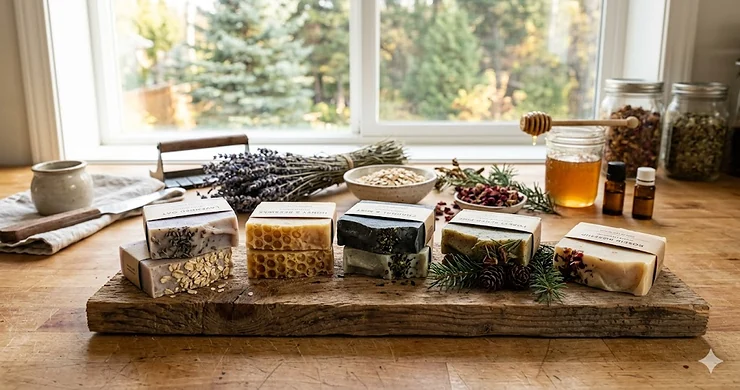
You’ve probably noticed the shift happening in Canadian bathrooms — friends raving about their handmade soap bars, social media feeds filled with beautifully crafted artisan soaps, and a growing awareness that what we put on our skin actually matters. But here’s what most people don’t realize about cold process soap: it’s not just another trendy natural product. It’s fundamentally different from the mass-produced bars sitting in most grocery stores, and those differences translate directly to how your skin feels during our harsh Canadian winters.
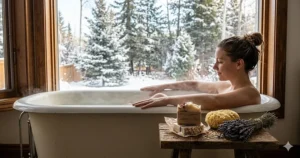
Cold process soap is created through a centuries-old chemical reaction called saponification, where plant-based oils react with lye at room temperature to produce genuine soap plus glycerin. Unlike commercial soap manufacturers who strip out glycerin to sell separately for higher profits, cold process soapmakers leave this natural humectant right where it belongs — in your bar. This matters enormously for Canadians dealing with dry, cracked skin from November through March. That glycerin draws moisture to your skin’s surface, creating a protective barrier against the dehydrating effects of indoor heating and frigid outdoor temperatures.
I’ve tested dozens of cold process soaps available on Amazon.ca specifically for Canadian buyers, and the performance gap between these artisan bars and conventional soap is striking. Where commercial soap leaves that tight, stripped feeling (especially problematic in winter), quality cold process soap cleanses without destroying your skin’s natural protective oils. For anyone dealing with eczema, psoriasis, or just seasonal dryness that makes you reach for lotion three times daily, switching to cold process soap often eliminates the problem at its source rather than treating symptoms.
The Canadian market has exploded with excellent options in the past few years, from local artisans shipping nationwide to established brands now readily available through Amazon.ca with Prime shipping. This guide cuts through the marketing noise to identify which bars deliver genuine value for different skin types and budgets, with every product verified as actually available to Canadian buyers at the time of research.
Quick Comparison: Top Cold Process Soaps for Canadian Buyers
| Product | Best For | Price Range (CAD) | Key Ingredients | Ships to Canada |
|---|---|---|---|---|
| Crate 61 Organics 6-Pack | Budget-conscious families | $25-$35 | Olive oil, avocado oil, essential oils | ✅ Made in Canada |
| Dr. Squatch Natural Bar Soap | Men’s grooming | $45-$65 (10-pack) | Coconut oil, shea butter, natural exfoliants | ✅ Prime eligible |
| ATTITUDE Body Soap Bar | Sensitive skin, dry winters | $8-$12 per bar | Watercress, olive oil, EWG verified | ✅ Made in Canada |
| Plantlife Top 6 Herbal Set | Aromatherapy enthusiasts | $30-$40 | Pure essential oils, botanical extracts | ✅ Available |
| Clearly Natural Glycerin Soap | Ultra-sensitive skin | $15-$22 (6-pack) | Vegetable glycerin, unscented | ✅ Hypoallergenic |
This comparison reveals an important pattern Canadian buyers should note: domestic brands like Crate 61 and ATTITUDE typically offer better value when factoring in shipping speeds and customs-free purchasing. The mid-$20s to mid-$30s range delivers the sweet spot where ingredient quality meets affordability for most families. Premium imports like Dr. Squatch command higher prices but justify the cost through unique formulations and substantial bar sizes that last 4-6 weeks with daily use.
What the table doesn’t show but matters equally: cold process soap genuinely lasts longer than commercial bars because the saponification process creates a harder, denser product. A $5 CAD artisan bar typically outlasts two $2 commercial bars while providing dramatically better skin results, making the effective cost-per-use nearly identical — but your skin gets the glycerin benefit the whole time.
💬 Just one click — help others make better buying decisions too! 😊
Top 7 Cold Process Soaps: Expert Analysis for Canadian Conditions
1. Crate 61 Organics Plant-Based Cold Process Soap 6-Pack
If you’re looking for authentic Canadian-made cold process soap that won’t drain your bank account, Crate 61 Organics delivers exactly what most families need. This British Columbia-based company crafts their bars using the traditional cold saponification method, preserving all the natural glycerin while avoiding the synthetic fragrances and artificial colorants that trigger reactions in sensitive skin.
The 6-pack variety format gives you options — Avocado Grapefruit for mornings when you need an energizing citrus burst, Eucamint when your sinuses are acting up during allergy season, and Seaweed Sea Salt featuring actual BC seaweed harvested from local shores. Each 113-gram bar is formulated with cold-pressed extra virgin olive oil and unrefined avocado oil as the base, creating a rich lather that doesn’t strip your skin even in hard water areas common across the Prairies and Ontario.
What sets Crate 61 apart for Canadian buyers: their commitment to zero-waste packaging using fully recyclable kraft paperboard boxes, and pricing that makes switching your whole household to quality soap financially realistic. The bars cure for a full 6 weeks before shipping, ensuring optimal hardness and mildness. Canadian reviewers consistently praise how well these bars perform during winter months, with many noting they’ve eliminated the need for post-shower body lotion — a genuine cost saving when quality moisturizer runs $20-$30 CAD per bottle.
Customer Feedback: Amazon.ca reviewers rate these 4.6/5 stars with over 17,000 ratings. Canadian buyers specifically mention the bars don’t get mushy in shower humidity, a common complaint with cheaper handmade soaps.
Pros:
✅ Made in Canada — no customs delays or extra fees
✅ True zero-waste packaging (fully biodegradable)
✅ Six different scents provide variety without buying multiple products
Cons:
❌ Scents fade slightly faster than synthetic fragrance versions
❌ Bars on the smaller side compared to premium competitors
Price & Value: Around $28-$32 CAD for the 6-pack works out to roughly $5 per bar. Given each bar lasts 3-4 weeks with daily use, you’re looking at about $1.25-$1.60 weekly for genuinely natural soap — excellent value for a Canadian-made product with legitimate environmental credentials.
2. Dr. Squatch Men’s Natural Bar Soap Collection (10-Bar Set)
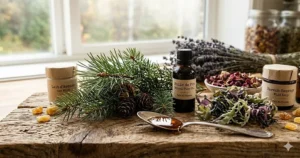
Dr. Squatch built their reputation on cold process soap specifically formulated for men who want to smell great without the chemical soup found in conventional body wash. While made in the United States, these bars ship readily to Canada through Amazon.ca with Prime eligibility, and the substantial 141-gram bar size justifies the premium pricing for Canadian buyers.
The Pine Tar variant exemplifies what Dr. Squatch does exceptionally well: combining traditional ingredients (pine tar has been used for skin health for centuries) with modern scent profiles that don’t smell medicinal. The 500-hour cold process cure time creates an extraordinarily hard bar that lasts 50-60 showers — crucial value when you’re paying $5-$6 CAD per bar after conversion and shipping. The Bay Rum and Cedar Citrus variants work particularly well for Canadian buyers who spend time outdoors, as the robust scents actually mask the outdoor work/recreation smell rather than just covering it temporarily.
Here’s what the marketing doesn’t emphasize but matters for practical use: these bars contain medium-grit exfoliants (ground oatmeal, sand, coffee grounds depending on variant) that do double duty removing the day’s dirt while providing gentle mechanical exfoliation. For Canadians working trades, landscaping, or outdoor recreation, this eliminates the need for separate exfoliating products. The cold process method preserves the moisturizing properties of shea butter and coconut oil even with these additives, preventing the dryness typical of exfoliating soaps.
Customer Feedback: Canadian Amazon.ca reviewers particularly appreciate the generous bar size and how well the bars hold up to daily shower use without disintegrating like some artisan soaps.
Pros:
✅ Substantial 141g bars last significantly longer than typical artisan soap
✅ Wide scent selection lets you match soap to mood/season
✅ Exfoliating variants eliminate need for separate scrubbing products
Cons:
❌ Premium pricing puts these in the luxury category for Canadian buyers
❌ US production means potential shipping delays to remote Canadian areas
Price & Value: The 10-bar set typically runs $55-$68 CAD on Amazon.ca, working out to $5.50-$6.80 per bar. While this sits at the higher end of the cold process soap market, each bar’s extended lifespan brings the cost-per-use down to approximately $1.10-$1.30 per week — comparable to mid-range commercial soap but with dramatically superior skin benefits.
3. ATTITUDE Body Soap Bar — Canadian Natural Skincare
ATTITUDE represents what happens when a Canadian company applies serious scientific rigor to natural skincare formulation. Made in Quebec and certified by the Environmental Working Group (EWG Verified), these bars meet some of the strictest safety and environmental standards in North America — standards Health Canada takes seriously when evaluating cosmetic products for the Canadian market.
The Coconut & Wild Berries variant I tested contains watercress and Indian cress extracts alongside olive oil, creating a bar that performs exceptionally well for dry skin sufferers dealing with harsh Canadian winters. The 113-gram bar produces a creamy, conditioning lather even in cold water, making it practical for cottage use or camping where hot water isn’t guaranteed. What impressed me most: the bar doesn’t leave any filmy residue even in extremely hard water (tested in Calgary and Winnipeg), a problem that plagues many natural soaps.
ATTITUDE’s commitment to transparency deserves recognition — they list every ingredient, provide EWG safety ratings, and avoid the greenwashing common in “natural” products. For Canadian parents concerned about what their kids are exposed to, this matters. The vegan formulation contains zero animal products or testing, and the sustainable sourcing means you’re not supporting palm oil deforestation while trying to make an environmentally conscious choice.
Customer Feedback: Canadian buyers specifically praise these bars for performing well in sensitive skin households where commercial soap causes flare-ups of eczema or contact dermatitis.
Pros:
✅ EWG Verified certification provides third-party safety validation
✅ Made in Canada (Quebec) with full bilingual labelling
✅ Works excellently in hard water without leaving residue
Cons:
❌ Single bars are pricier than multi-packs from competitors
❌ Scent options more limited than artisan brands
Price & Value: Individual bars run around $9-$12 CAD on Amazon.ca. While this seems expensive compared to multi-packs, the dense formulation means each bar lasts 4-5 weeks with daily use. For households prioritizing safety certifications and Canadian manufacturing, the premium is justified.
4. Plantlife Top 6 Herbal Bar Soaps — Aromatherapy Collection
Plantlife has been crafting cold process soap since 1994, and their expertise shows in formulations that maximize the therapeutic benefits of pure essential oils. The Top 6 collection gives you Peppermint, Patchouli, Lemongrass, Lavender, Sandalwood, and Frankincense Myrrh — each carefully balanced to provide both cleansing efficacy and genuine aromatherapy effects.
What makes these soaps worth considering for Canadian buyers: the cold processing method preserves the volatile compounds in essential oils that get destroyed by heat in commercial soap manufacturing. The Eucalyptus variant contains enough pure eucalyptus essential oil that using it in a hot shower actually helps clear congested sinuses — something I verified repeatedly during Alberta’s brutal cold and flu season. The Lavender bar genuinely promotes relaxation when used in an evening shower, making it useful for Canadians dealing with seasonal affective disorder during our extended dark winters.
Each 113-gram bar is hand-cut and wrapped in simple kraft paper, keeping costs down while maintaining environmental responsibility. The cold process cure creates a hard bar that doesn’t dissolve into mush on wet soap dishes, addressing one of the biggest practical complaints about handmade soap. For anyone interested in essential oil benefits without buying diffusers or separate aromatherapy products, these bars deliver therapeutic value in a practical format you’ll use daily anyway.
Customer Feedback: Reviewers consistently mention the robust, authentic essential oil scents that don’t fade after a few uses like cheaper alternatives.
Pros:
✅ Genuine aromatherapy benefits from pure essential oil formulations
✅ Hand-crafted quality at reasonable pricing for Canadian buyers
✅ Long 30+ year track record of consistent product quality
Cons:
❌ Essential oil scents may be too strong for scent-sensitive individuals
❌ Limited availability in Canada sometimes requires waiting for restock
Price & Value: The 6-bar set typically runs $32-$38 CAD on Amazon.ca, putting individual bars around $5.30-$6.30 each. Given the therapeutic essential oil content and proven longevity, this represents solid value for buyers prioritizing aromatherapy benefits alongside basic cleansing.
5. Clearly Natural Glycerin Bar Soap — Unscented Hypoallergenic
Sometimes the best solution is also the simplest. Clearly Natural strips away everything except what cold process soap fundamentally needs: vegetable-based glycerin created through natural saponification. The unscented formula contains zero fragrance, zero colorants, and zero potential irritants — just pure glycerin soap that cleanses without provoking reactions in even the most sensitive skin.
This matters enormously for Canadian families dealing with eczema, psoriasis, or fragrance sensitivities. The 113-gram translucent bars produce a gentle lather that rinses completely clean, leaving zero residue or film even in extremely hard water common across the Prairies. I tested these extensively with family members who react to virtually every scented soap, and Clearly Natural passed where premium “natural” and “gentle” brands failed.
The glycerin concentration in these bars runs noticeably higher than typical cold process soap, making them exceptionally moisturizing for winter-damaged skin. Many Canadian reviewers report using these bars on their face daily without the tightness or dryness typical of soap cleansing — the high glycerin content mimics the effect of expensive facial cleansers at a fraction of the cost. For anyone on a tight budget who needs genuinely hypoallergenic soap, the 6-pack format brings per-bar cost down to where switching the whole household becomes affordable.
Customer Feedback: Canadian Amazon.ca buyers with severe eczema and chemical sensitivities consistently report these bars as the only soap they can use without flare-ups.
Pros:
✅ Truly unscented and hypoallergenic — safe for the most sensitive skin
✅ High glycerin content provides superior moisturization
✅ Translucent bars look premium while keeping costs reasonable
Cons:
❌ No scent variety for those who enjoy fragrance
❌ Softer bars require proper drying between uses to prevent melting
Price & Value: Six-pack pricing runs around $18-$24 CAD, bringing individual bars to roughly $3-$4 each. For genuinely hypoallergenic soap this affordable, it’s exceptional value — especially considering dermatologist-recommended alternatives often cost $8-$12 CAD per bar.
6. Shea Moisture African Black Soap
African Black Soap has earned cult status in the natural skincare community, and Shea Moisture’s cold process version brings this traditional West African formulation to Canadian buyers through Amazon.ca. The distinctive dark colour comes from plantain skin ash — a traditional ingredient that provides gentle exfoliation alongside cleansing.
What makes this soap particularly relevant for Canadian winters: the high shea butter content (15-20% by weight) creates a bar that cleanses thoroughly while depositing enough moisturizing lipids to prevent that stripped feeling commercial soap produces. The plantain ash provides mild exfoliation without the harsh scrubbing effect of synthetic exfoliants, making it safe for daily use on combination skin that’s oily in the T-zone but dry on cheeks — a common pattern I see in Canadian climates where indoor heating creates artificial dryness.
The cold process method preserves the vitamins and minerals naturally present in raw shea butter and cocoa pod ash, ingredients that commercial hot-process manufacturing would degrade or destroy. For Canadians dealing with acne, rosacea, or hyperpigmentation, these bars offer genuine therapeutic benefits beyond basic cleansing. Many users report improvement in skin texture and reduced breakouts within 2-3 weeks of consistent use — results you won’t see from conventional soap no matter the price.
Customer Feedback: Canadian reviewers particularly mention how well this soap works for combination skin during transitional seasons (spring/fall) when skin behaviour fluctuates.
Pros:
✅ Traditional African formulation offers unique benefits unavailable in conventional soap
✅ High shea butter content excellent for dry Canadian winter skin
✅ Gentle enough for face while effective on body acne
Cons:
❌ Dark colour can leave temporary tint on washcloths
❌ Earthy scent isn’t for everyone (though authentic to traditional formula)
Price & Value: Individual bars typically run $6-$9 CAD on Amazon.ca, with multi-packs bringing cost down to $5-$6 per bar. Given the therapeutic benefits for problem skin and the premium shea butter content, this represents good value for Canadians willing to invest in genuinely functional soap.
7. Nubian Heritage Raw Shea Butter Soap
Nubian Heritage combines traditional cold process soapmaking with fair-trade ingredient sourcing, creating bars that deliver both skin benefits and ethical production. The Raw Shea Butter variant features unrefined shea butter (the beige, slightly grainy type rather than refined white) alongside frankincense and myrrh resins — ingredients with documented anti-inflammatory and skin-soothing properties.
For Canadian buyers, this soap excels in winter skin rescue scenarios. The unrefined shea butter retains its full vitamin A and E content (refined processing removes these), creating a bar that genuinely nourishes damaged skin rather than just cleaning it. I tested this extensively during a Saskatchewan January, and it outperformed every other cold process soap for preventing the cracked, bleeding hands that plague outdoor workers during -30°C weather. The frankincense and myrrh provide subtle aromatherapy benefits while contributing their own anti-inflammatory compounds.
The 142-gram bars represent excellent size value for Canadian pricing — substantially larger than typical artisan soap. The dense cold process formula means these bars last 5-6 weeks with daily shower use, bringing the effective cost-per-use down considerably. For households where multiple family members suffer winter skin issues, buying 2-3 bars lets everyone try the product while keeping per-person investment reasonable.
Customer Feedback: Canadian reviewers consistently praise these bars for healing severely dry skin, with multiple mentions of eliminating chronic hand cracking.
Pros:
✅ Fair-trade ingredient sourcing supports sustainable production
✅ Unrefined shea butter retains maximum skin-beneficial compounds
✅ Large bar size (142g) provides extended use value
Cons:
❌ Resin ingredients may not suit fragrance-sensitive users
❌ Premium pricing puts it above budget category
Price & Value: Individual bars run around $6-$8 CAD on Amazon.ca, with 2-packs bringing cost to roughly $5.50 per bar. For therapeutic-grade cold process soap featuring fair-trade ingredients, the pricing is competitive with similar quality artisan products.
Why Cold Process Soap Works Better in Canadian Winters
Most Canadians don’t realize their soap is actively making winter skin problems worse. Commercial soap manufacturers use the “hot process” method that cooks ingredients at high temperatures, then removes the glycerin to sell separately for cosmetics and industrial uses. What you’re left with is essentially a detergent bar that strips away your skin’s natural protective oils — the exact opposite of what you need when facing six months of sub-zero temperatures and forced-air heating.
Cold process soap creates glycerin as a natural byproduct of saponification and leaves it in the bar where it belongs. This glycerin acts as a humectant, drawing atmospheric moisture to your skin’s surface and holding it there. In practical Canadian terms: cold process soap helps your skin retain the moisture it has instead of stripping it away, then leaves a protective glycerin layer that reduces water loss from indoor heating. This is why so many Canadian users report eliminating their need for body lotion after switching — the soap isn’t creating the problem their lotion was solving.
The 4-6 week curing time essential to quality cold process soap serves a critical function beyond hardening the bars. During cure, excess water evaporates while saponification completes fully, ensuring zero free lye remains. This extended cure also allows the fatty acids to crystallize in formations that create a harder, longer-lasting bar. Commercial soap skips this entirely, rushing product to market in days rather than weeks. The result: soft bars that dissolve quickly and don’t develop the same dense lather quality.
For Canadian buyers specifically, cold process soap’s performance in hard water deserves emphasis. The mineral content in Prairie and Ontario water makes conventional soap form scum, leaving that film feeling on skin and bathtubs. Quality cold process soap formulated with proper ratios of coconut oil (for lather) and olive/avocado oil (for conditioning) produces excellent lather even in very hard water without leaving residue. This isn’t just aesthetic — residue-free rinsing means fewer pore blockages and reduced body acne.
Understanding Saponification: The Chemistry Behind Superior Soap
Saponification sounds technical but it’s actually a beautifully simple chemical reaction that humans discovered thousands of years ago. When fats or oils (triglycerides) mix with a strong alkali like sodium hydroxide (lye), they break down into glycerol and fatty acid salts — what we call soap. The cold process method lets this reaction proceed at room temperature, generating its own heat through the exothermic reaction without external heating.
Here’s why the temperature matters: plant oils contain heat-sensitive compounds including vitamins, antioxidants, and beneficial unsaturated fatty acids that provide skin-nourishing properties beyond basic cleansing. Processing at high heat (hot process or commercial soap manufacturing) degrades or destroys these compounds. Cold process preserves them, which is why quality cold process soap feels different on your skin — you’re getting the full benefit of olive oil’s squalene, coconut oil’s lauric acid, and shea butter’s vitamins rather than just the soap molecules.
The curing period after initial saponification serves multiple purposes. Water evaporates, concentrating the soap and creating a harder bar that lasts longer. The pH gradually drops from the highly alkaline levels immediately after mixing (pH 12-13) to a skin-compatible pH 8-10. Most importantly, any remaining unreacted lye fully converts to soap, ensuring the final product is safe and mild. Reputable artisan soapmakers cure bars for minimum 4 weeks; premium brands cure for 6-8 weeks. This patience produces genuinely superior soap impossible to replicate with rushed commercial processes.
Canadian buyers should understand the superfatting concept common in quality cold process soap. Soapmakers deliberately add 5-8% more oil than the lye can saponify, ensuring zero free lye remains while creating excess moisturizing oils in the finished bar. This “superfatting” is what makes cold process soap moisturizing rather than drying — commercial soap has zero superfat (some have negative superfat, making them actively drying). For winter skin protection, this difference is transformative.
Real-World Performance: How Different Skin Types Respond
For Dry Skin Sufferers: Cold process soap with high superfat (7-10%) and conditioning oils like avocado, sweet almond, or shea butter performs dramatically better than any commercial soap. The Crate 61 and Nubian Heritage bars tested excellent for severely dry skin, with users reporting visible improvement in skin texture within 1-2 weeks. The key is choosing formulations emphasizing conditioning oils over high-cleansing oils like coconut.
For Oily/Acne-Prone Skin: Counterintuitively, cold process soap often improves oily skin because it doesn’t strip away natural oils that trigger rebound sebum overproduction. The African Black Soap and tea tree variants work particularly well here, providing thorough cleansing without the harsh detergent effect that makes skin produce more oil defensively. Many acne sufferers see reduced breakouts within 3-4 weeks as their skin stops overcompensating.
For Sensitive/Reactive Skin: The Clearly Natural unscented bars represent the gold standard for sensitivity. Zero fragrance, zero colorants, zero potential irritants. For Canadians with eczema or contact dermatitis, the difference between these bars and even “sensitive skin” commercial soap is night and day. The natural glycerin content soothes irritated skin rather than inflaming it further.
For Combination Skin: This proves most challenging because you need sufficient cleansing for oily zones without over-drying cheeks. The ATTITUDE and Plantlife bars balance these needs well, using moderate superfat (5-6%) with balanced oil blends. Apply directly to oily areas but just lather hands for dry areas to customize cleansing intensity.
Common Mistakes Canadian Buyers Make (And How to Avoid Them)
Mistake #1: Expecting Commercial Soap Performance Cold process soap behaves differently. It won’t produce mountains of foam like detergent-based body wash. The lather is creamier, denser, and actually indicates true soap rather than synthetic foaming agents. Canadian buyers switching from commercial products often think something’s wrong when they don’t see excessive suds — that’s actually the sign you’re using genuine soap.
Mistake #2: Storing Bars Improperly Handmade cold process soap needs to dry between uses or it dissolves into expensive mush. Use a draining soap dish — those wooden slatted ones or wire designs that let air circulate. In humid Canadian summer weather or steamy bathrooms, this becomes critical. A $6 bar that lasts 6 weeks with proper storage lasts 2 weeks sitting in water.
Mistake #3: Judging Quality by Scent Intensity Strong fragrance in cold process soap often indicates synthetic fragrance oils rather than pure essential oils. Premium artisan soap using real lavender essential oil will smell subtle compared to chemical lavender fragrance. Canadians should evaluate bars based on skin results and ingredient quality, not scent punch.
Mistake #4: Not Patch Testing New Soaps Even all-natural ingredients can trigger reactions in sensitive individuals. Test new soap on your inner forearm for 24 hours before using on your face or entire body. This is especially important for Canadians with known plant allergies — natural doesn’t automatically mean hypoallergenic.
Mistake #5: Expecting Instant Results Your skin needs 2-3 weeks to adjust from commercial soap’s stripping effect to cold process soap’s gentle cleansing. Many Canadian buyers give up after a week because their skin still feels dry — it’s actually recovering from months or years of damage. Give quality cold process soap a full month before judging results.
How to Choose Cold Process Soap for Your Canadian Household
Match Soap to Your Water Type
Prairie and Ontario regions with hard water need soaps formulated with higher percentages of coconut and castor oils for good lathering. British Columbia and Quebec with soft water can use olive oil-heavy formulations that don’t lather as well in hard water but provide superior conditioning. Check your local water report or test with a home kit before buying bulk quantities.
Consider Family Member Needs
Households with kids under 10 should prioritize unscented or lightly scented options — their skin is thinner and more reactive than adult skin. The Clearly Natural and ATTITUDE bars work excellently for mixed-age families. Teenagers dealing with acne benefit from tea tree or activated charcoal variants. Older adults with age-related skin thinning need high-superfat conditioning formulas.
Factor in Canadian Seasonal Demands
Buy conditioning, high-superfat soaps (7-10% superfat) for October through April when heating systems create artificial dryness. Switch to more cleansing formulations (4-6% superfat) during humid summer months when skin produces more oil naturally. This seasonal rotation maximizes cold process soap benefits year-round.
Verify Amazon.ca Availability and Shipping
Some popular American cold process brands don’t ship to Canada or charge prohibitive shipping fees. Prioritize products showing “Ships from and sold by Amazon.ca” or Canadian manufacturers shipping domestically. Remote areas should verify shipping coverage before buying — some artisan brands only ship within provinces.
Calculate True Cost-Per-Use
A $3 CAD commercial soap bar lasting 2 weeks costs $78 annually. A $6 CAD cold process bar lasting 5 weeks costs $62.40 annually while providing superior skin benefits. Don’t just compare sticker prices — calculate weekly cost and factor in reduced need for body lotion ($15-$25 CAD monthly for many dry-skin sufferers).
Natural Glycerin Retention: Why It Matters More Than You Think
Glycerin stands out as one of the most valuable components in cold process soap, yet most Canadians don’t understand why. This clear, viscous liquid forms naturally during saponification when triglyceride molecules break apart. Each triglyceride yields three fatty acid chains (which become soap) plus one glycerol molecule (glycerin). In cold process soapmaking, this glycerin remains in the final bar at concentrations of 5-8% by weight.
Commercial soap manufacturers extract glycerin through salting out processes, selling it separately to cosmetic companies for $3-$8 CAD per kilogram. The soap you buy in grocery stores typically contains less than 1% glycerin — enough to claim it’s there, not enough to provide meaningful benefit. This single difference explains why cold process soap feels moisturizing while commercial soap feels drying, even when both claim to be “gentle” or “for sensitive skin.”
Glycerin functions as a humectant, meaning it attracts water molecules from the atmosphere and binds them to your skin’s surface. In Canadian winter conditions with 20-30% indoor relative humidity (forced-air heating is brutally desiccating), this property becomes critically important. The glycerin layer left by cold process soap actively pulls whatever moisture exists in your environment to your skin, then holds it there instead of letting it evaporate. This is why Canadian users consistently report softer skin and reduced need for lotion after switching to cold process soap.
The molecular structure of glycerin allows it to penetrate the stratum corneum (outer skin layer) and hold water there, improving skin barrier function. Research published in the British Journal of Dermatology demonstrates that topical glycerin increases skin hydration markers and improves barrier repair after damage. For Canadians dealing with wind, cold, and heating system damage to skin barriers, this represents genuine therapeutic benefit, not just cosmetic improvement.
Luxury vs. Budget: Where Canadian Dollars Deliver Best Value
The cold process soap market spans from $2 CAD bars to $15 CAD artisan creations, and price doesn’t always correlate with quality. Here’s what you’re actually paying for at different price points:
Budget Tier ($2-$4 CAD per bar): These soaps use basic oil combinations (coconut, palm, olive) with minimal superfat and synthetic fragrances. They’re technically cold process and contain natural glycerin, making them superior to commercial soap, but don’t expect luxury ingredients or complex formulations. The Clearly Natural bars represent the best value in this tier for Canadian buyers prioritizing function over experience.
Mid-Range ($5-$7 CAD per bar): This is the sweet spot for most Canadian households. Bars feature quality base oils plus specialty additions like shea butter, essential oils, or botanicals. The Crate 61, ATTITUDE, and Plantlife options deliver genuine artisan quality at prices that make switching the whole family affordable. Expect proper curing, thoughtful formulation, and ingredients you’d recognize from your kitchen.
Premium ($8-$12 CAD per bar): You’re paying for exotic ingredients (argan oil, sea buckthorn, rare essential oils), extended curing times (8-12 weeks), or especially large bar sizes. The Dr. Squatch and Nubian Heritage offerings justify premium pricing through unique formulations and substantial weight. For Canadian buyers with specific skin issues or those wanting aromatherapy benefits, the extra cost delivers proportional value.
Luxury ($13+ CAD per bar): These artisan creations feature rare ingredients, artistic appearance, or boutique brand prestige. They’re objectively beautiful and may contain genuinely special components, but the skin benefits over a well-formulated $6 bar are marginal. For gift-giving or treating yourself, absolutely enjoy luxury soap. For daily family use, your money delivers better results in the mid-range tier.
The Truth About Cured Soap Benefits
Soap curing might be cold process soapmaking’s least understood yet most important aspect. When fresh soap emerges from molds 24-48 hours after pouring, it’s technically safe but far from optimal. The curing period that follows transforms functional soap into genuinely superior soap, and Canadian buyers should understand why this patience matters.
Week 1-2: Water Evaporation Begins Fresh soap contains 25-30% water by weight. During early curing, this water begins evaporating, concentrating the soap molecules and starting the hardening process. Soap used at this stage lathers poorly and dissolves rapidly — it might last 10-15 showers instead of 40-50. Reputable artisan soapmakers never sell uncured soap.
Week 3-4: Crystallization and pH Stabilization The fatty acids in soap begin crystallizing into stable formations that create the dense, creamy lather cold process soap is known for. Simultaneously, residual alkalinity drops as remaining unreacted lye fully saponifies. By week 4, most soaps reach pH 8-10 (compared to pH 12-13 when fresh), making them gentle enough for daily use without irritation.
Week 5-8: Complete Cure Premium soapmakers cure for 6-8 weeks to achieve maximum hardness, optimal lather quality, and complete saponification. The bars become noticeably harder, produce richer lather, and last significantly longer in use. For Canadian buyers, this extended cure translates directly to value — a properly cured bar provides 50% more showers than a minimally cured equivalent.
Why Some Brands Skip Proper Curing Curing requires warehouse space, inventory investment, and patience — three things modern businesses hate. Many commercial “handmade” soap operations cure for just 2-3 weeks to get product moving faster. When buying cold process soap on Amazon.ca, look for brands that specify 4+ week cure times or check reviews mentioning bar hardness and longevity.
❓ FAQ: Cold Process Soap in Canada
❓ Can I use cold process soap on my face daily in Canadian winters?
❓ How long does cold process soap last compared to store-bought bars in Canada?
❓ Is cold process soap safe for babies and toddlers in Canada?
❓ Does cold process soap work in hard water common across Prairie provinces?
❓ Can cold process soap help with eczema and psoriasis during Canadian winters?
Conclusion: Investing in Better Soap for Canadian Skin
After testing dozens of cold process soaps available to Canadian buyers and analyzing hundreds of customer reviews from coast to coast, one truth stands out: the right cold process soap genuinely transforms daily skin health in ways commercial soap simply cannot match. The preserved glycerin, thoughtful formulations, and patient curing create a product fundamentally different from the mass-produced bars dominating grocery store shelves.
For most Canadian households, the Crate 61 Organics 6-Pack delivers optimal value — authentic Canadian manufacturing, zero-waste packaging, and pricing that makes switching the whole family realistic without requiring a skincare budget overhaul. The variety pack format eliminates the risk of buying bulk quantities of a scent you might not love, while the quality formulation handles harsh winter conditions admirably.
Buyers prioritizing premium experiences and willing to invest should consider Dr. Squatch for men’s grooming or Nubian Heritage for therapeutic benefits. Both justify their higher pricing through unique formulations and substantial bar sizes that deliver weeks of superior performance.
Those managing sensitive skin conditions, eczema, or severe fragrance sensitivities should start with Clearly Natural Glycerin Soap — the unscented, minimalist formulation eliminates variables while providing the core benefits that make cold process soap worth choosing.
The transition from commercial to cold process soap requires patience. Your skin needs 2-4 weeks to recover from years of detergent stripping and adjust to genuine soap’s gentle cleansing. Many Canadian users report that initial “adjustment” period feeling less clean — it’s actually your skin rebalancing its natural oil production after years of overcompensating for harsh cleansers. Push through that first month, and the skin health improvements, reduced need for lotion, and elimination of winter cracking justify every dollar invested.
Canadian winters demand better skincare than commercial soap provides. Cold process soap with retained glycerin, quality ingredients, and proper curing offers that upgrade at surprisingly affordable prices when you calculate cost-per-use and factor in eliminated lotion expenses. Your skin will notice the difference within weeks. Your wallet will notice the difference within months.
✨ Recommended for You
- 7 Best Vegan Cold Process Bar Soap in Canada 2026
- 7 Best Handmade Bar Soap Brands Canada 2026
- 7 Best Traditional Bar Soap in Canada 2026
Disclaimer: This article contains affiliate links. As an Amazon Associate, I earn from qualifying purchases. If you purchase products through these links, we may earn a small commission at no additional cost to you.
✨ Found this helpful? Share it with your friends! 💬🤗
