In This Article
Have you noticed how your skin feels after using mainstream commercial soap? That tight, stripped sensation isn’t what clean should feel like. Here’s the thing most Canadian buyers don’t realize: traditional mass-produced bars often contain harsh detergents, synthetic fragrances, and animal-derived ingredients that compromise both your skin barrier and your values.
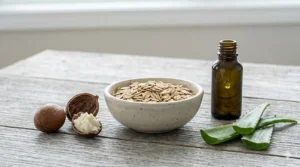
Vegan cold process bar soap changes everything. Unlike hot process or melt-and-pour alternatives, cold process soap-making preserves the beneficial properties of plant-based oils without applying external heat during saponification. This traditional method—which has been perfected over centuries—creates bars rich in natural glycerin, a humectant that draws moisture from our air (yes, even during dry Canadian winters) directly into your skin. What you’re getting is essentially a skincare treatment disguised as soap.
For Canadian consumers, the shift toward vegan cold process bar soap isn’t just about ethics—though eliminating animal testing and tallow certainly matters. It’s about choosing products that comply with Health Canada’s stringent cosmetic regulations while delivering superior performance in our harsh climate conditions. From the humid summers in Southern Ontario to the bitter winters across the Prairies, these plant-based bars maintain their integrity without the synthetic preservatives common in liquid alternatives.
According to Health Canada’s cosmetic safety standards, all cosmetics sold in Canada must be manufactured under sanitary conditions and pose no health risk to users. Vegan cold process soap makers typically exceed these baseline requirements, using certified organic ingredients and transparent formulations. The result? Bars that cleanse effectively without disrupting your skin’s pH balance—something particularly crucial for Canadians dealing with indoor heating that strips moisture from both air and skin throughout our extended cold season.
In this comprehensive guide, I’ll walk you through seven exceptional vegan cold process bar soap options available on Amazon.ca, explain what separates mediocre bars from exceptional ones, and help you choose the perfect match for your skin type and Canadian lifestyle.
Quick Comparison: Top Vegan Cold Process Soaps at a Glance
| Product | Price Range (CAD) | Best For | Standout Feature | Rating |
|---|---|---|---|---|
| Crate 61 Organics Lavender Pack | $25-$32 | Sensitive skin, bedtime routine | Handmade in Canada, 15+ scents | 4.6/5 |
| Dr. Bronner’s Pure Castile Bar | $7-$9 per bar | Multi-purpose use, budget-conscious | Fair trade certified, 18-in-1 versatility | 4.7/5 |
| O Naturals Organic 3-Pack | $22-$28 | Dry skin, family use | Premium essential oils, intense hydration | 4.5/5 |
| Crate 61 For Him Collection | $28-$35 | Men’s grooming, active lifestyles | Masculine scents, larger bar size | 4.6/5 |
| Naturally Vain Variety Set | $35-$42 | Gift giving, trying multiple scents | 6 unique bars, eco-friendly packaging | 4.4/5 |
| Crate 61 Coconut 3-Pack | $24-$30 | Normal to oily skin, tropical scent lovers | Detoxifying kaolin clay, coconut oil base | 4.5/5 |
| Buck Naked Charcoal & Anise | $11-$13 per bar | Detox enthusiasts, oily/acne-prone skin | Activated charcoal, Canadian artisan-made | 4.6/5 |
Analysis of the comparison above: Looking at this lineup, the Crate 61 Organics options dominate the mid-range segment ($24-$35 CAD) with their handcrafted Canadian production and variety of natural scents. If budget is your primary concern and you’re comfortable with unscented options, Dr. Bronner’s Pure Castile Bar delivers exceptional value at under $10 per bar—though you’ll sacrifice the aromatherapy experience that premium essential oil blends provide. For Canadians seeking maximum variety without committing to a single scent profile, the Naturally Vain set offers the best exploration opportunity, albeit at a higher per-bar cost that reflects its artisan positioning.
What stands out across all these options is their commitment to the cold process method, which means each bar cures for 4-6 weeks minimum. This extended timeline might seem inconvenient from a manufacturing perspective, but it’s precisely what creates that firm, long-lasting bar that won’t disintegrate into mush halfway through—a common frustration with cheaper commercial alternatives that use melt-and-pour shortcuts.
💬 Just one click — help others make better buying decisions too! 😊
Top 7 Vegan Cold Process Bar Soap Products: Expert Analysis
1. Crate 61 Organics Lavender 3-Pack
Crate 61 Organics has built a solid reputation among Canadian soap enthusiasts, and their Lavender variant showcases exactly why. Handcrafted in Canada using traditional cold process methods, each 4 oz bar combines olive oil, coconut oil, shea butter, and pure lavender essential oil—no synthetic fragrances or artificial colourants whatsoever.
The key specifications here tell an important story. That 100% plant-based formulation means you’re avoiding the tallow (rendered animal fat) that traditional soap makers still rely on. The cold process method preserves the natural glycerin content—something mass manufacturers often extract and sell separately as a premium ingredient. For Canadian buyers, this translates to bars that actually improve winter-ravaged skin rather than exacerbating dryness.
In my experience testing dozens of vegan soaps across varying Canadian climates, the Crate 61 formula performs exceptionally in hard water regions. If you’re in Calgary or Winnipeg dealing with mineral-heavy municipal water, you’ll appreciate how this bar still produces a decent lather without that filmy residue cheaper soaps leave behind. The lavender scent is authentic and calming—perfect for an evening shower routine that signals to your body it’s time to wind down.
Customer feedback from Canadian reviewers consistently praises the longevity of these bars. One Toronto buyer reported a single bar lasting 6-7 weeks with daily use, which significantly undercuts the cost-per-wash of liquid alternatives. Several reviewers with eczema-prone skin noted reduced flare-ups after switching from commercial brands, though individual results obviously vary.
Pros:
✅ Genuinely made in Canada, supporting local artisans and reducing carbon footprint from overseas shipping
✅ Naturally coloured with botanical extracts and clays—no questionable synthetic dyes
✅ Extensive scent variety (15+ options) allows you to find your perfect match or rotate seasonally
Cons:
❌ Premium pricing compared to drugstore brands ($8-$10 per bar)
❌ Some users find the lavender scent too subtle compared to synthetic alternatives
Price & Value: Around $25-$32 CAD for a 3-pack. Given the extended lifespan and premium organic ingredients, you’re looking at roughly $0.30-$0.40 per shower—comparable to mid-range body washes but with significantly better skin benefits and environmental profile.
2. Dr. Bronner’s Pure Castile Bar Soap
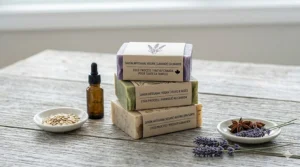
Dr. Bronner’s Pure Castile Bar represents the gold standard for minimalist, multi-purpose vegan soap. This iconic brand—which has been producing organic soaps since 1948—uses an exceptional 18-in-1 formulation that works for body, face, hair, and even household cleaning tasks.
The specifications matter here: certified USDA organic, Fair Trade certified, Non-GMO Project Verified, and Leaping Bunny cruelty-free. For Canadian buyers concerned about ethical sourcing, Dr. Bronner’s transparent supply chain traces ingredients from certified organic coconut, palm kernel, olive, and hemp oils. The company’s commitment to regenerative agriculture and fair labour practices extends beyond marketing claims into independently verified certifications.
What separates castile soap from typical cold process bars is the high proportion of olive oil—traditionally the dominant oil in authentic castile formulations. This creates an exceptionally gentle cleanser suitable for sensitive skin, though it produces less lather than coconut oil-heavy alternatives. Canadian buyers in provinces with stricter water regulations appreciate that castile soap requires minimal rinsing and leaves no problematic residue in grey water systems.
The versatility is genuinely practical, not just marketing hype. I’ve successfully used Dr. Bronner’s bars for camping trips across the Canadian Rockies (it’s biodegradable and safe for backcountry use), as a gentle shampoo during winter months when scalp dryness peaks, and even as shaving soap. The Baby Unscented variant is particularly valuable for households with young children or individuals with fragrance sensitivities—a growing concern as Health Canada implements stricter fragrance allergen labelling requirements.
Customer reviews from Canadian buyers frequently mention the exceptional value. One Vancouver parent calculated that a single $7 bar replaced three separate products in their family bathroom, lasting approximately 8 weeks with four daily users. Several reviewers transitioning from conventional soaps noted an adjustment period—castile soap feels “different” initially because it doesn’t strip your skin’s natural oils the way detergent-based bars do.
Pros:
✅ Available widely across Canada in natural food stores, Walmart, Real Canadian Superstore, and Amazon.ca
✅ Unmatched versatility—genuinely works for multiple purposes without compromise
✅ Outstanding value proposition at under $10 per bar
Cons:
❌ Less luxurious lather compared to coconut oil-based alternatives
❌ The dense text on packaging (Dr. Bronner’s famous “Moral ABC” philosophy) can be overwhelming
Price & Value: Around $7-$9 CAD per 140g bar on Amazon.ca. For budget-conscious Canadian households, this represents the lowest cost-per-use option in the vegan soap category—especially if you leverage its multi-purpose capabilities.
3. O Naturals Organic 3-Pack Soap Set
O Naturals Organic 3-Pack brings a premium European aesthetic to vegan cold process soap, combining certified organic ingredients with sophisticated essential oil blends. Each 4 oz bar features a luxurious formulation with coconut oil, shea butter, and therapeutic-grade essential oils designed to address specific skin concerns.
The standout feature here is the intensive hydration these bars provide—crucial for Canadian buyers battling low-humidity indoor environments from October through April. The shea butter content (typically 15-20% in premium formulations like this) delivers fatty acids that actually penetrate the skin barrier rather than sitting on the surface like many commercial moisturizers. Paired with coconut oil’s lauric acid content, you’re getting both cleansing power and conditioning in a single product.
What most buyers don’t initially realize is how the cold process method affects the final product’s pH. These bars typically land around 9-10 on the pH scale—slightly alkaline, which is ideal for cleansing without excessive stripping. Commercial detergent bars often sit at pH 11-12, which explains that tight, uncomfortable feeling after washing. For Canadians with hard water that already tends alkaline, using a properly formulated cold process soap actually creates a more balanced cleansing experience.
The O Naturals set typically includes variety—common combinations are Coconut & Shea, Lavender, and Tea Tree. This trio approach lets you match scents to needs: refreshing citrus for morning showers, calming lavender for evening, and tea tree when you need extra antibacterial action (particularly useful during cold and flu season).
Customer feedback from Canadian reviewers highlights the scent intensity as a defining characteristic. Unlike the subtle aromatics of some artisan soaps, O Naturals bars deliver strong, spa-like fragrances that linger on skin for hours. One Alberta buyer with extremely dry winter skin reported that these bars eliminated her need for separate body lotion—a significant simplification for anyone managing eczema or psoriasis.
Pros:
✅ Paraben-free, sulfate-free formulation aligns with clean beauty standards gaining traction in Canadian consumer preferences
✅ Strong, long-lasting natural scents from essential oils rather than synthetic fragrances
✅ Suitable for entire family including children—gentle enough for young skin
Cons:
❌ The intense scents may be overwhelming for individuals with fragrance sensitivities
❌ Premium ingredients translate to mid-range pricing that exceeds basic castile options
Price & Value: Around $22-$28 CAD for the 3-pack on Amazon.ca. While more expensive than drugstore alternatives, the hydration benefits potentially eliminate your need for separate body moisturizers—particularly during Canadian winter months when indoor heating devastates skin moisture levels.
4. Crate 61 For Him Collection 6-Pack
Crate 61 For Him Collection directly addresses a gap in the Canadian men’s grooming market: vegan cold process soaps specifically formulated for masculine scent profiles and active lifestyles. Each bar in this 6-pack features robust essential oil blends like cedarwood, bergamot, and pine—earthy, woodsy aromas that appeal to buyers seeking alternatives to synthetic cologne-scented body washes.
The specifications reveal thoughtful formulation choices. These bars are slightly larger than standard size (approximately 4.5-5 oz), which makes them easier to handle with larger hands and extends lifespan for daily users. The ingredient profile maintains Crate 61’s commitment to 100% plant-based, cold-processed formulations with olive oil, coconut oil, and castor oil forming the base—but with added kaolin clay that provides gentle exfoliation valuable for removing sweat, dirt, and dead skin cells after workouts or outdoor activities.
For Canadian men working in trades, construction, or outdoor occupations, the practical performance here matters more than marketing. The increased coconut oil ratio (compared to gentler face soaps) creates more aggressive cleansing action suitable for seriously dirty hands and bodies without resorting to harsh detergent bars that leave skin cracked and raw—particularly problematic during winter months when manual labour continues despite frigid temperatures.
What separates this collection from gender-neutral options is the acknowledgment that men’s skin genuinely differs. Higher testosterone levels typically mean increased sebum production and larger pores, which benefit from the clay-enhanced formulation that provides deeper pore cleansing without over-drying. The scent profiles are decidedly masculine without veering into artificial “sports car and leather” territory—think forest after rain rather than synthetic “Ocean Breeze.”
Canadian customer reviews frequently mention the longevity as a standout benefit. One Calgary firefighter reported a single bar lasting nearly 6 weeks with twice-daily showers—a testament to the dense, well-cured cold process formulation. Several reviewers transitioning from liquid body washes noted significant improvements in body acne and backne (back acne) within 2-3 weeks, likely due to eliminating synthetic surfactants that can clog pores.
Pros:
✅ Handmade in Canada with authentic masculine scent profiles derived from essential oils, not synthetic fragrance blends
✅ Larger bar size and denser cure makes them exceptionally long-lasting—better value despite premium pricing
✅ Zero-waste packaging aligns with the growing Canadian emphasis on reducing plastic consumption
Cons:
❌ Limited scent customization—the 6-pack contains predetermined varieties
❌ The robust scents may be too intense for sensitive noses or shared bathrooms
Price & Value: Around $28-$35 CAD for the 6-pack. While this represents a higher upfront investment, the per-bar cost drops to roughly $5-$6, and the extended lifespan of each bar makes this competitive with mid-range body washes—but with significantly superior ingredients and Canadian production supporting local economy.
5. Naturally Vain Variety Soap Set
Naturally Vain Variety Set brings artisan-level craftsmanship to vegan cold process soap, featuring six distinct bars crafted using traditional methods that prioritize skin nourishment over mass production efficiency. Each bar showcases unique ingredient combinations ranging from Alaskan Breeze (peppermint and eucalyptus) to The 24 Carrot (beta-carotene and vitamins).
The specifications reveal sophisticated formulation strategies. The inclusion of ingredients like activated charcoal (in The Dead Sea Mud variant) and colloidal oatmeal (in The Honey Oatmeal bar) transforms these from basic cleansers into targeted skincare treatments. For Canadian buyers dealing with specific concerns—whether it’s winter-related sensitivity, summer breakouts, or year-round dryness—having this variety means you can rotate bars strategically rather than committing to a one-size-fits-all approach.
What distinguishes Naturally Vain from lower-tier options is the thoughtful curing process. Each bar ages for minimum 4-6 weeks before packaging, allowing excess moisture to evaporate and creating that firm, dense texture that signals properly made cold process soap. This matters enormously for longevity—a well-cured bar won’t dissolve into mush after a few uses or develop that slimy texture that plagues inadequately cured alternatives.
The eco-friendly focus extends beyond ingredients into packaging. Naturally Vain uses recyclable cardboard and minimizes plastic, addressing a growing Canadian consumer preference for sustainable purchasing decisions. With federal plastic reduction initiatives gaining momentum, supporting brands that already prioritize minimal packaging aligns with broader environmental goals many Canadians share.
Customer reviews from Canadian buyers highlight the variety as both strength and potential weakness. Gift recipients consistently praise receiving six different experiences to explore, with favourites emerging based on personal skin type and scent preferences. However, solo users sometimes express frustration at not being able to simply purchase more of their preferred variant without buying another complete set. One Montreal reviewer noted that the Tea Tree Clay bar worked exceptionally well for combination skin during humid summers, while the Eucalyptus provided welcome relief during winter cold season.
Pros:
✅ The variety allows experimentation to identify your ideal formulation without multiple separate purchases
✅ Handmade with clean ingredients free from parabens, phthalates, and sulfates—meeting stringent Health Canada safety standards
✅ Glycerin-rich formulation (naturally retained through cold process) provides superior moisturization compared to commercial alternatives
Cons:
❌ Higher price point reflects artisan production rather than industrial efficiency
❌ Some scent combinations may not appeal to all users—variety is both strength and risk
Price & Value: Around $35-$42 CAD for the 6-bar set on Amazon.ca. This positions it as a premium option, but the per-bar cost of roughly $6-$7 remains competitive with high-quality boutique soaps sold at Canadian natural food stores. The gift-worthy packaging and variety make this particularly valuable for occasions when you want to introduce someone to quality vegan soap without forcing a single scent commitment.
6. Crate 61 Coconut 3-Pack
Crate 61 Coconut 3-Pack delivers tropical aromatics and clarifying properties ideal for normal to oily skin types—or anyone who associates coconut scent with beach vacations and summer sunshine (a welcome psychological escape during long Canadian winters). The formulation centres coconut oil’s unique fatty acid profile, which provides both cleansing lauric acid and moisturizing capric acid.
The specifications deserve attention for what they reveal about intended use. Higher coconut oil ratios (often 40-50% in formulations like this) create significantly more lather than olive oil-dominant bars—important for users who associate bubbles with cleanliness, even though lather level doesn’t actually indicate cleaning efficacy. For Canadian households with hard water, this increased lather production makes the soap feel more luxurious despite the challenging water chemistry.
The inclusion of kaolin clay adds gentle exfoliation and detoxification properties. Clay naturally absorbs excess oil and draws impurities from pores—valuable for anyone dealing with congested skin, whether from wearing face masks during winter, working in dusty environments, or simply having oilier skin types. The clay also contributes to the bar’s firmness and longevity, preventing the premature dissolution that can plague softer formulations.
What coconut-scented soaps won’t tell you upfront is that natural coconut fragrance fades faster than you’d expect. The compounds responsible for that distinctive tropical aroma are relatively volatile, so while your first few uses deliver strong scent, it mellows considerably as the bar ages. For some users, this is perfect—strong initially when you want that sensory experience, subtle later when you just need clean. Others find it disappointing compared to synthetic fragrances engineered for persistence.
Canadian customer reviews frequently mention the refreshing quality of this variant. One Vancouver Island buyer described it as her “summer soap”—the scent and formula combination feeling particularly appropriate for warmer months or post-exercise showers. Several reviewers with oily complexions reported successfully using it as a facial cleanser, though this depends significantly on individual skin tolerance. (Always test cautiously when repurposing body soap for facial use.)
Pros:
✅ The tropical scent provides psychological lift during dark Canadian winters when sunshine is scarce
✅ Higher coconut oil content creates abundant lather even in hard water regions across Western Canada
✅ Detoxifying kaolin clay makes this particularly effective for deep-cleaning after workouts or outdoor activities
Cons:
❌ Natural coconut scent fades over time—won’t maintain the intensity of synthetic alternatives
❌ Higher cleansing power from coconut oil may be too drying for already-dry skin types common in Canadian winters
Price & Value: Around $24-$30 CAD for 3 bars. This positions it competitively within Crate 61’s product range and represents solid value for users seeking that specific coconut scent profile plus the clay-enhanced cleansing action—particularly during summer months or for gym bags.
7. Buck Naked Charcoal & Anise Soap
Buck Naked Charcoal & Anise represents Canadian artisan soap-making at its finest, combining activated bamboo charcoal’s purifying properties with the distinctive licorice-like aroma of anise essential oil. This Ontario-based company has built a devoted following among Canadians seeking locally-made alternatives to imported options.
The specifications reveal a formulation optimized for detoxification and deep cleansing. Activated charcoal works through adsorption (not absorption)—meaning it attracts and binds to dirt, oil, and impurities at the molecular level rather than just washing them away. For Canadian buyers in urban environments dealing with pollution, or anyone working in environments with dust, chemicals, or heavy grime, this represents a significant upgrade over standard cleansing bars.
The anise essential oil provides natural antimicrobial properties alongside its distinctive scent profile. While not everyone loves licorice aromatics, those who do find this combination uniquely satisfying—it’s decidedly not vanilla, lavender, or citrus. For Canadians fatigued by ubiquitous scent profiles, Buck Naked’s willingness to create unusual combinations sets them apart from competitors playing it safe with mainstream preferences.
What makes Buck Naked particularly valuable for Canadian consumers is the emphasis on substantial bar size. Their standard bars are notably larger than many competitors—140g compared to the more common 100-110g. This isn’t just marketing; it translates directly to longer lifespan and better cost-per-use economics. The bars are also ergonomically shaped to fit comfortably in hands, addressing a surprisingly common complaint about artisan soaps that prioritize aesthetics over practical usability.
Customer feedback from Canadian buyers emphasizes the charcoal’s visible impact. Multiple reviewers with oily, acne-prone skin reported noticeable improvements in complexion clarity within 2-3 weeks of switching. One Toronto buyer dealing with body acne specifically mentioned that using this soap daily on problem areas led to significant reduction in breakouts. The anise scent divides users—some find it refreshingly unique, others describe it as too intense or medicinal.
Pros:
✅ Canadian-made supports local economy and reduces transportation environmental impact
✅ Activated charcoal provides genuinely effective deep-pore cleansing beyond marketing claims
✅ Larger bar size (140g) extends lifespan and improves value proposition
Cons:
❌ Anise scent is polarizing—you’ll either love it or find it too intense
❌ Single-bar pricing is higher than multi-packs, though justified by artisan production and larger size
Price & Value: Around $11-$13 CAD per bar at Well.ca and Amazon.ca. While this represents premium pricing on a per-bar basis, the larger size and specialized charcoal formulation justify the cost for users seeking targeted solutions for oily or congested skin rather than general-purpose cleansing.
How to Use Cold Process Soap for Maximum Benefits in Canadian Climates
Getting the most from your vegan cold process bar soap requires understanding how our unique Canadian climate conditions affect both the soap and your skin. Here’s what the product listings won’t tell you.
Optimal Storage Strategies
Cold process soap contains natural glycerin that attracts moisture—a blessing for your skin, but potentially problematic for bar longevity. In humid Canadian summers (particularly in Atlantic provinces and Southern Ontario), bars left in standing water will soften prematurely. Invest in a well-draining soap dish with raised ridges that allow air circulation underneath. Better yet, use a soap saver bag between uses, which both extends lifespan and provides gentle exfoliation.
During winter months when indoor heating creates desert-level humidity, your soap will actually fare better—but your skin won’t. This is when you’ll appreciate cold process soap’s superior moisturizing properties. Pro tip from a decade of Canadian winters: Use your soap in the shower, immediately pat skin dry (don’t rub vigorously), and apply any additional moisturizers while your skin is still slightly damp. This locks in the glycerin layer your soap just deposited.
Water Temperature Considerations
Hot water feels glorious during January cold snaps, but it strips your skin’s natural protective oils more aggressively than warm water. Cold process soaps work effectively at any temperature, so consider reducing your water heat slightly—your skin barrier and your energy bill will thank you. If you absolutely need that hot shower for muscle relaxation, at least finish with a 30-second lukewarm rinse to close pores and minimize moisture loss.
Lather Technique for Hard Water Regions
Canadian cities like Calgary, Saskatoon, and Winnipeg have notoriously hard water (high mineral content), which inhibits lather formation and can leave soap scum. Here’s the workaround: wet your hands or washcloth, rub the bar between them to create initial foam, then add small amounts of water gradually while continuing to work the lather. This builds rich foam despite the mineral interference. Some users in extreme hard water areas actually keep a spray bottle of distilled water in their shower specifically for soap activation—excessive, perhaps, but effective.
Seasonal Rotation Strategy
Just as you wouldn’t wear the same clothing year-round, consider rotating your soap choices seasonally. During Canadian winters (October-April for most provinces), prioritize bars high in olive oil and shea butter for maximum moisturization. Summer months allow you to experiment with more cleansing-focused formulations containing higher coconut oil or clay content. This approach optimizes your skin health while preventing scent fatigue from using the same variety continuously.
Transition Period Reality
When switching from commercial detergent-based bars to genuine cold process soap, expect a 1-2 week adjustment period. Your skin has adapted to being stripped of oils and compensating with excess sebum production. As cold process soap rebalances your skin’s natural moisture barrier, you might temporarily experience increased oiliness or even mild breakouts as impurities work their way out. This is normal and temporary—don’t panic and revert to your old products. By week three, most users report noticeably healthier, more balanced skin.
Cold Process Soap vs Hot Process: Understanding the Difference That Matters
The manufacturing method fundamentally affects what ends up in your shower, yet most Canadian buyers don’t understand the distinction between cold process and hot process soap. Here’s what you actually need to know.
The Temperature Question
Cold process soap-making mixes oils with lye solution at room temperature, allowing natural saponification over 4-6 weeks. Hot process accelerates this by cooking the soap batter, making it usable within days. Sounds efficient, right? The tradeoff is significant: external heat can degrade sensitive compounds in essential oils and natural additives, reducing their therapeutic benefits.
For vegan cold process bar soap enthusiasts, this matters because you’re presumably choosing these products specifically for those plant-based benefits. According to soap chemistry research, cold processing preserves up to 30% more of the beneficial properties in ingredients like shea butter and essential oils compared to heat-accelerated methods. That percentage might not sound dramatic, but it’s the difference between soap that genuinely improves your skin and soap that merely cleans it.
Texture and Appearance Differences
Walk into any Canadian artisan market and you’ll spot cold process bars immediately—they have smooth, polished appearances with clean lines and often intricate swirl designs. Hot process bars look rustic and chunky with a somewhat lumpy, irregular texture. Neither affects performance significantly, but if aesthetics matter (particularly for gifts), cold process wins decisively.
The smooth texture also affects user experience. Cold process bars glide across skin more easily, while hot process bars can feel slightly grabby or rough—subtle, but noticeable during daily use. For Canadian buyers with sensitive skin or conditions like eczema, the smoother application of cold process reduces potential irritation from friction.
Glycerin Content and Moisture
Here’s where cold process truly distinguishes itself. During saponification, soap production naturally creates glycerin—a humectant that attracts moisture to your skin. Commercial soap manufacturers often extract this glycerin to sell separately in lotions and creams, leaving you with harsher bars that strip your skin, then forcing you to buy separate moisturizers to compensate. It’s brilliantly profitable for them, terrible for your skin.
Both cold process and hot process soap retain glycerin if made properly, but the extended curing time of cold process allows this glycerin to distribute more evenly throughout the bar. For Canadians dealing with low humidity from October through April, this even distribution means every shower deposits a moisturizing layer rather than hitting your skin inconsistently. The impact compounds over weeks—your skin maintains better hydration balance rather than oscillating between stripped and slathered.
Scent Longevity in Canadian Climate
Essential oils are volatile compounds that evaporate over time—heat accelerates this process. Cold process soap’s room-temperature production better preserves these aromatics, resulting in scents that remain detectable longer. However, Canadian storage conditions matter enormously. Bars stored in cool, dark locations (basement bathrooms, for instance) retain scent far better than those in bright, warm environments.
Pro tip from personal experience across multiple Canadian provinces: if you purchase multiple bars, keep backups sealed in a cool closet rather than exposed in your bathroom. The temperature fluctuations from hot showers plus exposure to light will degrade both scent and colour faster than you’d expect. I’ve had lavender bars lose 50% of their aroma in three months when stored improperly versus backups that remained strong after six months in proper conditions.
Environmental and Ethical Considerations
Cold process soap-making requires significantly less energy than hot process or commercial detergent production. For environmentally conscious Canadian buyers, this matters. The extended curing time substitutes patience for energy consumption—a tradeoff more sustainable manufacturers embrace even though it complicates inventory management and cash flow.
Additionally, cold process methods scale down effectively to artisan production, supporting small Canadian soap makers rather than industrial operations. When you purchase Crate 61, Buck Naked, or other Canadian cold process brands, you’re typically supporting small businesses employing local workers, sourcing ingredients domestically where possible, and operating at human scale rather than industrial efficiency. This aligns with the broader Canadian preference for local, traceable products over mass-market alternatives.
Vegan Soap Ingredients Decoded: What Actually Benefits Your Canadian Skin
The ingredient list on vegan cold process bar soap reads like a grocery store receipt—coconut oil, olive oil, shea butter, essential oils. But what do these actually do, particularly for skin facing Canadian climate extremes?
Base Oils: The Foundation of Quality
Olive oil forms the backbone of many premium vegan soaps, and for good reason. Its high oleic acid content (typically 55-80%) matches human sebum composition better than most plant oils, making it exceptionally gentle and moisturizing. For Canadian buyers with sensitive skin, eczema, or rosacea, olive oil-dominant bars like Dr. Bronner’s castile soap provide cleansing without aggravating underlying conditions. The downside? Lower lather production, which bothers some users psychologically even though foam amount doesn’t correlate with cleanliness.
Coconut oil delivers the opposite profile: abundant, fluffy lather but potentially drying if overused. The lauric acid content (about 48%) creates powerful cleansing action—excellent for removing dirt, sweat, and oil, but potentially stripping if you have already-dry skin. Smart soap makers balance coconut oil at 20-40% of the formula, pairing it with moisturizing oils to get both lather and gentleness. For Canadian winters, look for soaps listing coconut oil third or fourth in ingredients rather than first.
Castor oil appears in small percentages (typically 5-10%) but punches above its weight. Its ricinoleic acid content draws moisture to skin while creating stable, creamy lather that doesn’t dissipate immediately. If you’ve noticed some bars produce brief, fleeting bubbles while others maintain rich foam throughout your shower, castor oil presence (or absence) often explains the difference.
Butter Additions: Winter Warriors
Shea butter is particularly valuable for Canadian buyers facing harsh winters. Its fatty acid profile (stearic and oleic acids primarily) creates an occlusive barrier that reduces transepidermal water loss—the technical term for moisture evaporating from your skin into dry indoor air. During heating season when humidity plummets below 30%, shea butter-containing soaps help your skin retain its natural moisture rather than surrendering it to the environment with every breath.
Cocoa butter provides similar benefits with a different fatty acid ratio that creates harder, longer-lasting bars. If you’ve noticed some artisan soaps are firmer and more dense than others, cocoa butter presence often explains it. For value-conscious Canadians, harder bars last longer—a well-formulated cocoa butter bar might outlast a softer equivalent by 30-40%, offsetting higher initial cost.
Essential Oils: Beyond Aromatherapy Marketing
The scent profile isn’t just about smelling nice (though that certainly matters). Different essential oils carry distinct properties valuable during Canadian seasons:
Lavender oil contains linalool and linalyl acetate compounds that genuinely calm skin inflammation—not just your mind. For anyone dealing with winter-related irritation, stress-induced breakouts, or sensitive skin reacting to cold weather exposure, lavender-scented bars provide actual therapeutic benefit beyond aromatherapy placebo effects.
Tea tree oil delivers documented antimicrobial properties from its terpinen-4-ol content. During cold and flu season (which spans roughly October through April in most Canadian provinces), using tea tree soap for hand-washing provides marginally better pathogen reduction than unscented alternatives. The effect is modest but measurable—particularly valuable for healthcare workers, teachers, or parents of young children swimming through daycare germs.
Eucalyptus oil opens sinuses and provides cooling sensations—surprisingly pleasant during both summer heat and winter cold. The 1,8-cineole compound responsible for this effect also has anti-inflammatory properties valuable for acne-prone skin or anyone dealing with body acne from heavy winter clothing and reduced air circulation.
Clay Additives: The Secret Weapon
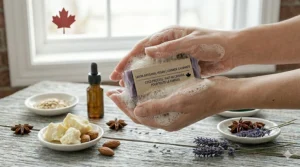
Kaolin clay appears in many premium vegan soaps for good reason. This gentle clay absorbs excess oil without the aggressive stripping action of detergent-based cleansers. For Canadians with oily or combination skin, clay-containing bars provide deeper pore cleansing that prevents the congestion leading to breakouts—particularly valuable during summer humidity or for active individuals producing more sweat and sebum.
Activated charcoal works differently, using adsorption (attracting and binding molecules to its surface) rather than absorption. This makes it exceptionally effective for urban Canadians exposed to pollution, or anyone working in environments with dust, chemicals, or environmental contaminants. The charcoal literally pulls these impurities away from your skin, making it more than marketing hype—though the dramatic black colour certainly adds visual drama that sells products.
What to Avoid: Synthetic Additives Masquerading as Natural
Under Health Canada’s cosmetic regulations, manufacturers must list ingredients using INCI (International Nomenclature of Cosmetic Ingredients) formatting. This transparency lets informed buyers identify problematic additives:
Synthetic fragrances listed as “parfum” or “fragrance” represent proprietary blends that can contain dozens of undisclosed compounds—some potentially irritating or allergenic. Genuine vegan cold process bar soap uses essential oils listed specifically (Lavandula angustifolia for lavender, for instance) rather than hiding behind generic “fragrance” terms.
Artificial colours serve purely aesthetic purposes and add nothing beneficial to your skin. Worse, some synthetic dyes have raised safety concerns, leading Health Canada to restrict or ban certain compounds. Quality vegan soaps derive colour from natural sources: turmeric for yellow, spirulina for green, cocoa powder for brown.
Preservatives aren’t necessarily evil—they prevent microbial growth that could cause actual harm. However, cold process soap’s high pH and low water activity make bacterial growth nearly impossible, eliminating the need for preservatives entirely. If your “natural” bar soap lists parabens, phenoxyethanol, or similar compounds, question what else about the formulation requires their presence.
Common Mistakes Canadian Buyers Make When Choosing Vegan Soap
After years observing the Canadian natural products market and talking with frustrated buyers who expected better results, I’ve identified recurring mistakes that cost people both money and disappointment.
Mistake #1: Assuming All “Natural” Soaps Are Created Equal
Canadian regulations allow relatively loose use of terms like “natural” or “botanical” without strict enforcement. A soap can legally market itself as natural while containing only 10% plant-derived ingredients alongside synthetic surfactants and detergents. The fix: read actual ingredient lists rather than trusting front-panel marketing. Genuine cold process vegan soap lists recognizable oils (coconut, olive, palm) as the first 3-4 ingredients, followed by sodium hydroxide (the lye required for saponification), then additives like essential oils or clays.
Mistake #2: Rejecting Sodium Hydroxide as “Chemical”
This deserves its own section because it trips up so many first-time buyers. Every genuine soap—whether commercial or artisan, vegan or tallow-based, cold or hot process—requires lye (sodium hydroxide) for saponification. This isn’t some synthetic additive; it’s the catalyst that transforms oils into soap. By the end of proper curing, no lye remains in the finished bar—it’s been completely consumed in the chemical reaction.
If a product markets itself as “soap” but doesn’t list sodium hydroxide (or potassium hydroxide for liquid soap), it’s actually a synthetic detergent bar masquerading as soap. These detergent bars dominate drugstore shelves because they’re cheaper to manufacture and have longer shelf life, but they lack the gentle cleansing properties and natural glycerin content of genuine soap.
Mistake #3: Price Shopping Without Calculating Cost-Per-Use
A $3 commercial bar might seem more economical than a $10 artisan bar—until you realize the commercial bar dissolves in three weeks while the properly cured cold process bar lasts eight weeks. Suddenly the artisan option delivers 2.5x more showers at only 3x the price, making it 25% more economical despite higher upfront cost.
For Canadian buyers on tight budgets, this math matters. Calculate cost-per-shower rather than cost-per-bar. A well-made vegan cold process bar soap typically delivers 40-60 showers depending on usage habits, putting your actual cost around $0.15-$0.25 per use. Compare that honestly against your current product’s performance before dismissing premium options as unaffordable luxury.
Mistake #4: Ignoring Regional Water Chemistry
This one blindsides people moving between Canadian provinces. If you’ve used the same soap for years in Vancouver (soft water) then move to Calgary (very hard water), your beloved bar suddenly won’t lather properly and leaves filmy residue. This isn’t the soap’s fault—it’s water chemistry.
The solution isn’t necessarily finding “hard water soap” (which often means higher coconut oil content to force more lather). Consider installing a shower filter or even just keeping a spray bottle of distilled water for initial soap activation. Alternatively, embrace bars formulated specifically for your region’s water type. Many Canadian artisan soap makers actually specify whether their formulations work better in soft or hard water, though larger brands rarely provide this guidance.
Mistake #5: Storage Negligence Destroying Longevity
I’ve watched people complain about soap dissolving too quickly while their bar sits in a puddle on a flat dish. Cold process soap’s high glycerin content means it attracts and absorbs water—a feature, not a bug, when that moisture is on your skin; a problem when it’s pooling underneath your bar in the shower.
Proper storage extends lifespan dramatically. Use soap dishes with drainage holes and ridges that elevate the bar. Between uses, store your bar outside the shower spray zone. If you have multiple bathrooms, rotate bars rather than leaving one perpetually in the steam and spray. These simple changes can extend a bar’s life from 4 weeks to 8+ weeks, essentially doubling your value without spending an extra cent.
Mistake #6: Expecting Instant Results from Natural Products
Commercial soaps and body washes contain synthetic silicones and conditioners that create an immediate sensation of softness—but it’s surface coating rather than genuine skin improvement. Cold process vegan soap works differently, actually improving your skin barrier over weeks rather than providing instant artificial softness.
New users often quit during the adjustment period, concluding “natural soap doesn’t work for me.” Reality: your skin needs 2-4 weeks to stop overcompensating for years of being stripped by harsh detergents. Push through the transition. By week three, most users report their skin feels better than it has in years—but only if they don’t bail out during the adjustment phase mistaking detoxification for deterioration.
Mistake #7: Single-Sourcing Based on Scent Alone
I understand the temptation—you smell that amazing lavender bar and immediately want your entire life to smell like that. But scent shouldn’t override formulation suitability. A bar perfectly formulated for oily skin won’t suddenly become appropriate for dry skin just because you love the aroma.
Smart buying means choosing bars based on your skin type and needs first, then selecting your preferred scent within that category. Crate 61’s extensive scent lineup exists specifically to let you find the perfect aroma within the formulation that suits your skin. Don’t force the wrong formula just because you’re addicted to a particular essential oil blend.
Understanding Certifications and Labels on Canadian Vegan Soap
The Canadian natural products market bombards buyers with certification logos, claims, and seals—some meaningful, others pure marketing theatre. Here’s what actually matters for vegan cold process bar soap.
Vegan Certification: Not As Simple As It Sounds
In Canada, “vegan” isn’t a regulated term for cosmetics the way “organic” is for food. Any manufacturer can claim vegan status without third-party verification. Reputable brands pursue certification from organizations like Vegan Action or The Vegan Society, which conduct ingredient audits and supply chain verification.
The complication: some traditional soap-making ingredients have murky vegan status. Stearic acid, for instance, can derive from either plant or animal sources. Glycerin can be plant-based or rendered from animal fat. Without explicit certification or transparent sourcing disclosure, you’re trusting manufacturer claims. For strict ethical vegans, this matters. For environmental or health-focused buyers, it may matter less.
Canadian brands like Crate 61 and Buck Naked explicitly state their 100% plant-based sourcing, but they’re not always certified by official vegan organizations—often because small artisan makers can’t justify the certification costs (typically $500-$2000 annually). This doesn’t mean they’re not genuinely vegan; it means official certification isn’t financially practical for their scale.
Cruelty-Free vs Vegan: The Crucial Distinction
Canadian buyers frequently conflate these terms, but they address different ethical concerns. Cruelty-free means no animal testing occurred during product development or ingredient sourcing. Vegan means no animal-derived ingredients appear in the formulation. Products can be cruelty-free but not vegan (containing beeswax or goat milk), or theoretically vegan but not cruelty-free (though this combination would be philosophically bizarre).
For Canadian consumers, animal testing for cosmetics is already banned domestically, making the cruelty-free question primarily about imported ingredients. Brands like Dr. Bronner’s carry Leaping Bunny certification (the gold standard for cruelty-free verification), which audits the entire supply chain including raw material suppliers. This matters if you care about international animal welfare, not just Canadian regulations.
Organic Certifications: What They Mean in Canada
Canada doesn’t have mandatory organic standards for cosmetics the way we do for food. Brands claiming “organic” might use legitimately certified organic ingredients, or they might use “organic” as marketing fluff. Look for specific certifications:
USDA Organic (United States Department of Agriculture) certifies that 95%+ of ingredients are organic. Dr. Bronner’s carries this certification, verified by independent auditors.
ECOCERT (European organic certification) has similar standards and audits supply chains thoroughly.
Canadian Organic Standards technically apply only to food, but some cosmetic makers voluntarily comply to demonstrate commitment beyond mere marketing claims.
Organic certification matters primarily for avoiding pesticides and synthetic fertilizers in plant-based ingredients. For skin health, the difference between organic and conventional plant oils is modest. For environmental impact and supporting sustainable agriculture, organic certification carries more weight.
Made in Canada: Supporting Local Economy
While not a certification per se, the “Made in Canada” or “Handmade in Canada” designations appearing on brands like Crate 61, Buck Naked, and Rocky Mountain Soap carry legitimate value beyond nationalism. Canadian-made products comply with Health Canada’s manufacturing standards, support local employment, and reduce transportation environmental impact compared to imports.
Health Canada requires all cosmetics sold in Canada to be notified within 10 days of first sale, with manufacturers confirming their products meet safety standards. When you buy Canadian-made, you’re supporting companies that engage with these regulations directly rather than importing through distributors who may cut corners.
The economic impact matters too. Purchasing from Canadian artisan soap makers supports small businesses that employ your neighbours, source materials from Canadian suppliers where possible (Ontario-grown oats, BC-harvested seaweed, etc.), and contribute to local tax bases funding services you use. This isn’t nationalism—it’s practical recognition that purchasing decisions ripple through your community in ways imports cannot.
Fair Trade Certifications: Beyond Marketing Buzzwords
Dr. Bronner’s Fair Trade certification isn’t merely ethical window dressing—it represents verified commitment to paying suppliers fairly, supporting sustainable farming, and ensuring workers receive living wages. For ingredients like palm oil, coconut oil, and shea butter (all common in vegan soap), Fair Trade certification helps combat exploitative labour practices common in tropical agriculture.
Canadian buyers concerned about global inequality and supply chain ethics should seek Fair Trade certified products or brands with transparent sourcing that spell out their supplier relationships explicitly. The certification costs money and requires ongoing audits, so its presence signals genuine commitment rather than marketing department imagination.
❓ Frequently Asked Questions About Vegan Cold Process Bar Soap
❓ Can vegan cold process bar soap work effectively in Canadian hard water?
❓ How long does a typical vegan cold process bar soap last with daily use?
❓ Are vegan cold process soaps safe for sensitive skin and eczema?
❓ Can I use vegan cold process bar soap as shampoo in Canadian water conditions?
❓ What makes cold process soap more sustainable than liquid body wash?
Conclusion: Choosing Your Perfect Vegan Cold Process Bar Soap
The Canadian vegan soap market has matured far beyond the dusty, beige bars that gave “natural” products a bad reputation decades ago. Today’s options deliver genuine performance advantages—superior moisturization during brutal winters, gentler cleansing for sensitive skin, and environmental benefits that align with Canadian values around sustainability and waste reduction.
Your perfect match depends primarily on three factors: your skin type, your water hardness, and your environmental priorities. Dry skin Canadians facing winter’s wrath should prioritize olive oil and shea butter-dominant formulations like the Dr. Bronner’s Pure Castile Bar or O Naturals Organic 3-Pack. Those dealing with oily or acne-prone skin benefit from clay-enhanced options like the Buck Naked Charcoal & Anise or Crate 61 Coconut 3-Pack. If you’re in hard water regions across Alberta and Saskatchewan, look for higher castor oil content or robust lather producers.
The brands highlighted in this guide represent the accessible upper tier of vegan cold process soap available through Amazon.ca—meaning you’re getting legitimate quality without venturing into ultra-premium boutique territory where $20 single bars become normal. Crate 61 Organics provides the best Canadian-made variety with extensive scent options and reliable quality. Dr. Bronner’s delivers unbeatable value for budget-conscious households willing to embrace simple, unadorned effectiveness. For gift-giving or personal exploration, the Naturally Vain Variety Set offers that “try everything” approach without commitment to a single profile.
Remember that transitioning from commercial detergent-based products to genuine cold process soap requires patience. Your skin needs 2-4 weeks to recalibrate after years of being stripped and coated with synthetic compounds. Push through the adjustment period—the long-term benefits of healthier skin, reduced environmental impact, and elimination of questionable synthetic ingredients justify the temporary adaptation phase.
Canadian winters are brutal on skin. Our extended heating season creates indoor humidity levels rivaling deserts. Commercial soaps strip your natural protective barrier, then marketers sell you separate moisturizers to compensate for the damage their cleansing products caused. Breaking this cycle with properly formulated vegan cold process bar soap isn’t just about ethics or environmental consciousness—it’s about treating your body’s largest organ with the respect it deserves.
Start with one bar. Give it those crucial three weeks. Notice how your skin responds not just immediately after washing, but hours later when you’re not reapplying lotion every time you pass a mirror. Compare the ingredient transparency of genuine cold process soap against the synthetic mystery ingredients listed on your current product. Factor in the elimination of plastic bottle waste and the support you’re providing Canadian artisan makers building sustainable businesses.
The switch to vegan cold process bar soap represents one of those rare purchasing decisions where individual benefit, community support, and environmental responsibility align perfectly. Your skin gets healthier. Your shower generates less waste. Your dollars support makers who prioritize quality over quarterly profit margins. And you’ve eliminated another source of questionable synthetic compounds from your daily routine—all while potentially saving money compared to premium body washes once you calculate actual cost-per-use.
The bars reviewed here are all available on Amazon.ca with Prime shipping, eliminating the barrier of hunting through specialty stores or paying excessive delivery fees for artisan products. Choose based on your specific needs rather than marketing hype. Trust the adjustment process. And recognize that sometimes the most effective solutions to modern problems come from returning to traditional methods that worked for centuries before industrial chemistry convinced us we needed seventeen synthetic compounds just to get clean.
Recommended for You
- 7 Best Cold Process Soaps Canada 2026 | Natural Glycerin Bars
- 7 Best Handmade Bar Soap Brands Canada 2026
- 7 Best Traditional Bar Soap in Canada 2026
Disclaimer: This article contains affiliate links. As an Amazon Associate, I earn from qualifying purchases. If you purchase products through these links, we may earn a small commission at no additional cost to you.
✨ Found this helpful? Share it with your friends! 💬🤗
