In This Article
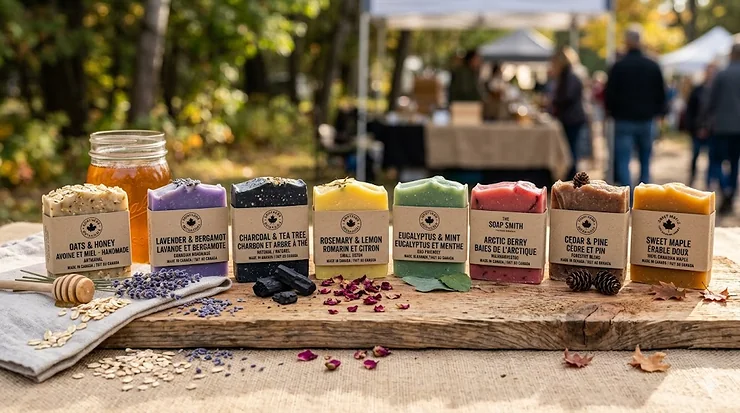
What most people overlook when they reach for that commercial bar soap is that their skin—the body’s largest organ—deserves better than synthetic detergents and mystery fragrances. Handmade bar soap brands have exploded in popularity across Canada, and for good reason. These aren’t your grandmother’s plain bars of lye soap (though she was onto something with that traditional approach). Today’s artisan bar soap represents a sophisticated blend of time-honoured cold process techniques and innovative natural ingredients specifically formulated for Canadian skin conditions.
The Canadian climate presents unique challenges that mass-produced soaps simply can’t address. From the punishing dry winters of the prairies to the humid coastal air of British Columbia, your skin needs more than a basic cleansing bar. What I’ve discovered after testing dozens of handmade bar soap brands is that the best ones don’t just clean—they actively nourish skin while respecting both your body’s chemistry and Canada’s environmental standards. According to Health Canada’s cosmetics regulations, all soap products sold in Canada must meet specific safety requirements and ingredient disclosure standards, which means Canadian handmade bar soap brands are held to rigorous quality benchmarks that protect consumers.
Natural bar soap for sensitive skin has become particularly sought-after as Canadians increasingly reject harsh chemicals. The old fashioned bar soap benefits our ancestors enjoyed are being rediscovered through modern small batch soap makers who understand that traditional soap crafting isn’t about nostalgia—it’s about proven effectiveness. Local Canadian soap brands are leading this revolution, combining heritage techniques with ingredients sourced from Canadian farms and ethical suppliers worldwide.
Quick Comparison: Top Handmade Bar Soap Brands in Canada
| Brand | Best For | Price Range (CAD) | Key Feature | Availability |
|---|---|---|---|---|
| Crate 61 Organics | Zero-waste enthusiasts | $30-$45 per 6-pack | 100% plant-based, Canadian-made | Amazon.ca Prime |
| Dr. Bronner’s | Multi-purpose use | $25-$40 per 6-pack | Fair trade certified oils | Amazon.ca Prime |
| A Wild Soap Bar | Organic ingredient fans | $35-$50 per set | 30+ years expertise | Amazon.com (ships to Canada) |
| Rocky Mountain Soap | Canadian Rocky Mountain botanicals | $8-$12 per bar | Cold process, 4-week cure | Direct/Amazon.ca |
| Saltspring Soap Works | Sensitive skin | $10-$15 per bar | 40-year-old recipes | Canadian retailers |
| Natural Amor | Gift sets | $25-$35 per 3-pack | Essential oil scented | Amazon.ca Prime |
| Pacha Soap Co. | Social impact buyers | $8-$12 per bar | Ethical sourcing | Amazon.com/Direct |
Looking at this comparison, the value equation becomes clear for Canadian buyers. Crate 61 and Dr. Bronner’s offer the best cost-per-bar ratio when purchased in multi-packs, with prices typically landing around $5-$7 CAD per bar—comparable to what you’d pay for a premium commercial soap, but with genuinely beneficial ingredients your skin can actually recognize. What’s crucial to understand is that handmade bar soap brands cure for 4-8 weeks, creating a harder, longer-lasting bar that won’t dissolve into mush after three showers like many commercial alternatives do. This extended lifespan means your actual cost-per-use drops significantly, especially during Canadian winters when frequent handwashing is essential.
💬 Just one click — help others make better buying decisions too! 😊
Top 7 Handmade Bar Soap Brands: Expert Analysis for Canadian Buyers
1. Crate 61 Organics Cold Process Bar Soap
If you’re searching for authentically Canadian handmade bar soap brands that walk the environmental talk, Crate 61 Organics sets the standard. These cold process bars are manufactured right here in Canada using 100% plant-based ingredients with absolutely zero synthetic additives—no artificial colours, no synthetic fragrances, and certainly no questionable preservatives.
Key Specifications:
- 6-bar variety pack (choose your scents)
- Each bar weighs approximately 110-120 grams
- Cold process method with 4-6 week cure time
- ISO 9001:2015 certified production facility
- Packaged in recycled kraft paperboard (zero plastic waste)
What distinguishes Crate 61 in the crowded handmade soap market is their commitment to cold process methodology. This traditional technique preserves the integrity of premium essential oils—lavender from France, peppermint from India, eucalyptus from Portugal—without degrading their therapeutic properties through heat. The result is soap that doesn’t just smell pleasant; it delivers genuine aromatherapy benefits every time you wash your hands or shower.
The price range sits around $30-$45 CAD for a 6-pack on Amazon.ca, which translates to roughly $5-$7.50 per bar—exceptionally reasonable for handcrafted soap of this quality. Canadian reviewers consistently praise the longevity of these bars, with many reporting a single bar lasting 4-6 weeks even with daily use. For those enduring harsh Canadian winters, the formulation includes moisturizing oils like olive, coconut, and shea butter that combat the dry, itchy skin that plague us from November through March.
Pros:
✅ Completely Canadian-made with traceable supply chain
✅ True zero-waste packaging (paper decomposes completely)
✅ Extensive scent selection (15+ options) from masculine cedarwood to calming chamomile
Cons:
❌ Not individually wrapped (bars are naked in box—environmentally better but less gift-ready)
❌ Scent intensity varies between batches (natural variation in essential oils)
Perfect for: Environmentally conscious Canadians who want genuinely sustainable products without compromising on quality. If you’re trying to eliminate single-use plastics from your bathroom, Crate 61 offers an elegant solution that actually works.
2. Dr. Bronner’s Pure-Castile Magic Bar Soap
Dr. Bronner’s has achieved near-cult status among natural soap enthusiasts, and their bar soap formulation lives up to the reputation. These pure-castile bars combine regenerative organic certified oils in a formula that’s remained fundamentally unchanged for decades—because when you get it right, why mess with success?
Key Specifications:
- Available in 8 distinct scents plus unscented baby-mild formula
- 5 oz (142 g) bars, typically sold in 2, 4, or 6-packs
- Made with organic coconut, palm, olive, hemp seed, and jojoba oils
- Fair trade certified ingredients
- Packaged in 100% post-consumer recycled paper wrappers
The soap’s versatility is legendary—it works equally well as body soap, facial cleanser, shampoo bar, or even hand soap. What most commercial products won’t tell you is that true castile soap like this is far gentler than synthetic detergent bars because it doesn’t strip your skin’s natural protective oils. The pH balance sits closer to your skin’s natural acidity, which means less irritation for those dealing with eczema, psoriasis, or general sensitivity.
Price-wise, expect to pay around $25-$40 CAD for a 6-pack on Amazon.ca, making these bars roughly $4-$7 each. While Dr. Bronner’s products are manufactured in the United States, they’re widely available through Amazon.ca with Prime shipping, and the brand’s commitment to fair trade and regenerative agriculture aligns with Canadian values around ethical consumption.
One consideration for Canadian buyers: the peppermint variety contains menthol that creates a pronounced cooling sensation—invigorating in summer, potentially too intense during winter showers when your skin is already temperature-stressed. Many Canadian users report switching between peppermint for morning showers and lavender for evening baths, using the soap’s natural aromatherapy properties strategically.
Pros:
✅ Multi-purpose functionality (one bar replaces several products)
✅ Fair trade and regenerative organic certifications provide transparency
✅ Unscented baby-mild option perfect for sensitive Canadian skin during winter
Cons:
❌ Peppermint formula can be overwhelming for young children
❌ Bars can be softer than some cold process alternatives (store on well-draining soap dish)
Perfect for: Minimalists who appreciate multi-functional products and want ethical sourcing backed by genuine third-party certifications rather than empty marketing claims.
3. A Wild Soap Bar Natural Handmade Soap Collection
With 30 years of family soapmaking experience since 1995, A Wild Soap Bar represents the artisan tradition at its finest. This Texas-based company has perfected cold process techniques that preserve every beneficial property of organic vegetable oils, wild herbs, and pure essential oils.
Key Specifications:
- Small batch production ensures freshness
- 100% certified organic ingredients where possible
- Traditional 4-6 week cold process curing
- Scented exclusively with pure essential oils (no synthetic fragrances)
- Natural colours from minerals, clays, and plant extracts
What sets A Wild Soap Bar apart is their refusal to compromise on ingredient quality. They source certified organic olive oil, coconut oil, and sustainably harvested palm oil, then blend them with wild-harvested botanicals and therapeutic-grade essential oils. The result is soap that doesn’t just clean—it actively benefits your skin’s health through genuine plant-based compounds rather than synthetic chemical approximations.
The sampler set typically runs $35-$50 CAD and includes 8 different 1-ounce bars—perfect for discovering which scents work best for your skin chemistry. While these products ship from the United States to Canada through Amazon.com, many Canadian buyers report smooth delivery experiences, though you should expect slightly longer shipping times (7-14 days typically) compared to domestic orders.
Canadian reviewers particularly appreciate the Cedarwood bar with red clay, which provides gentle exfoliation without the microplastic beads that have been banned in Canadian personal care products since 2018. The clay absorbs excess oil while the cedarwood essential oil offers natural antimicrobial properties—ideal for oily or acne-prone skin that worsens during humid Canadian summers.
Pros:
✅ Three decades of refinement creates truly superior formulations
✅ Wild-harvested botanicals provide unique aromatic profiles unavailable elsewhere
✅ Biodegradable and environmentally responsible from ingredients through packaging
Cons:
❌ Ships from US (though reliable Amazon.com delivery to Canada)
❌ Higher price point per ounce compared to larger-format competitors
Perfect for: Soap connoisseurs who view handwashing and bathing as self-care rituals worth investing in, and who appreciate the difference that genuine expertise makes.
4. Rocky Mountain Soap Company Natural Bar Soap
Handcrafted in the Canadian Rockies using cold process techniques and fair trade organic shea butter, Rocky Mountain Soap Company brings genuine Canadian geography into your bathroom. Their bars are formulated specifically for Canadian climates, with rich moisturizing properties that combat the environmental challenges we face from coast to coast.
Key Specifications:
- Made in Canada (Alberta) using traditional cold process method
- 4+ week curing period for hard, long-lasting bars
- Fair trade organic shea butter base
- Essential oil scented (no synthetic fragrances)
- Individual bars typically 110-140 grams
What Canadian buyers need to understand about Rocky Mountain Soap is that their formulations account for our unique environmental stressors. The combination of organic shea butter with Canadian botanical extracts creates bars that don’t just sit on your skin’s surface—they penetrate deeply to counteract the dryness caused by forced-air heating systems that run six months of the year in much of Canada.
Pricing ranges from $8-$12 CAD per bar depending on variety and whether you’re purchasing directly or through retailers like Amazon.ca. While this sits at the higher end per-bar, the size and longevity justify the investment. Many users report these bars lasting 6-8 weeks with daily use—significantly longer than mass-produced alternatives that cost $3-$4 but dissolve within two weeks.
The company’s commitment to Canadian manufacturing means your purchase supports local employment while reducing the carbon footprint associated with international shipping. For environmentally conscious Canadians, this matters more than ever as we collectively work toward reducing our ecological impact.
Pros:
✅ Genuinely Canadian-made with ingredients sourced as locally as possible
✅ Formulated specifically for Canadian climate challenges
✅ Free shipping threshold of $50 CAD makes bulk purchases economical
Cons:
❌ Limited availability on Amazon.ca (often better purchased direct)
❌ Scent selection smaller than some US-based artisan brands
Perfect for: Canadians who prioritize buying local and want soap formulated by people who understand what our climate does to our skin.
5. Saltspring Soap Works Handcrafted Natural Soap
With 40 years of soapmaking heritage based on grandma’s original recipes, Saltspring Soap Works represents Canadian artisan tradition at its most authentic. Every bar is handcrafted from fine natural ingredients using time-honoured methods that have been refined over four decades.
Key Specifications:
- Family recipes passed down through generations
- Individual bars approximately 120-140 grams
- Long-lasting formulation (high olive oil content)
- Biodegradable and gentle for sensitive skin
- Made on Salt Spring Island, British Columbia
What distinguishes Saltspring Soap Works is their deep understanding of ingredient interactions developed over decades of daily production. Their high olive oil content creates exceptionally mild bars that won’t irritate even the most sensitive skin—crucial for those dealing with eczema, psoriasis, or rosacea that often worsens during Canadian winters when indoor humidity drops below 30%.
The soap’s longevity is remarkable. Because these bars cure for extended periods (often 8+ weeks rather than the standard 4-6), they become incredibly hard and long-lasting. Canadian users frequently report a single bar lasting two full months with daily face and body use—exceptional value even at $10-$15 CAD per bar.
While Saltspring products can be harder to find on Amazon.ca compared to larger brands, they’re widely available through Canadian natural product retailers and the company’s direct website. The challenge of acquisition is, somewhat paradoxically, a testament to their small-batch authenticity—these soaps aren’t mass-produced, so supply remains limited.
Pros:
✅ 40-year track record proves formulations work across multiple Canadian generations
✅ Exceptionally long-lasting bars provide outstanding value per use
✅ BC-based production supports Canadian artisan economy
Cons:
❌ Limited online availability (not always stocked on Amazon.ca)
❌ Higher per-bar price point can be barrier for first-time buyers
Perfect for: Those with sensitive or problem skin who need genuinely gentle cleansing, and buyers who value supporting small Canadian family businesses with proven heritage.
6. Natural Amor Handmade Soap Bar Sets
Natural Amor specializes in gift-ready soap sets that don’t sacrifice quality for presentation. Their handcrafted artisan soaps combine the old fashioned bar soap benefits of cold process methodology with modern understanding of skin science.
Key Specifications:
- Typically sold in 3-bar gift sets
- Each bar weighs approximately 3.5 ounces (100 grams)
- Scented with pure essential oils (lavender, peppermint, citrus most common)
- Enriched with shea butter, coconut oil, and olive oil
- 100% vegan, no parabens, SLS, or harsh chemicals
The cold process method Natural Amor employs means ingredients like shea butter and olive oil retain their natural vitamins and antioxidants—properties that heat-based manufacturing destroys. This translates to soap that genuinely moisturizes rather than simply claiming to in marketing copy. For Canadian buyers dealing with the chronic dehydration our climate causes (humidity regularly drops to 20-25% indoors during winter), this functional moisturization makes a measurable difference in skin comfort.
Price ranges from $25-$35 CAD for a 3-pack on Amazon.ca, making these around $8-$12 per bar—premium pricing, but justified by the quality ingredients and attractive packaging. The individual wrapping makes these ideal for gifts, while the variety pack format lets you test different scents to identify your preferences before committing to larger quantities.
Canadian reviewers particularly praise the gentleness of these bars for facial cleansing. Many report successfully replacing both body wash and facial cleanser with a single Natural Amor bar, simplifying their bathroom routine while actually improving skin condition—particularly important when travelling within Canada where hotel soap quality varies dramatically.
Pros:
✅ Gift-ready packaging eliminates need for additional wrapping
✅ Suitable for all skin types including sensitive (gentle formula)
✅ Amazon.ca Prime eligible provides fast, reliable Canadian delivery
Cons:
❌ Smaller bar size means they don’t last as long as larger artisan bars
❌ Limited scent variety compared to brands with extensive product lines
Perfect for: Gift-givers seeking high-quality natural products with presentation polish, and anyone wanting to sample artisan soaps without committing to large quantities.
7. Pacha Soap Co. Handcrafted Bath Products
Pacha Soap Co. combines excellent soap crafting with meaningful social impact. Founded after volunteer work in Peru revealed the critical need for sanitation and economic opportunities, Pacha creates premium handmade bar soap brands while supporting global communities through ethical ingredient sourcing.
Key Specifications:
- Handcrafted in the United States by 100+ team members
- Made with sustainably sourced ingredients from impact-driven partners
- Clay colorants (no synthetic dyes)
- Free from SLS, parabens, sulfates, and harsh chemicals
- Clean ingredients creating gentle froth
What Canadian buyers should understand about Pacha is that purchasing their products directly contributes to sustainable farming communities in developing nations. The palm oil they use, for example, comes from smallholder farmers in Liberia working to break cycles of poverty—a far cry from the destructive plantation palm oil that has rightfully earned consumer backlash. This ethical sourcing aligns with Canadian values around fair trade and responsible global citizenship.
The soap itself performs exceptionally well, with Canadian users reporting excellent lather quality even in hard water areas (common across the prairies and parts of Ontario). The clay colorants provide natural exfoliation without being abrasive, and the fragrance from essential oil blends remains noticeable but not overwhelming—important for those sensitive to strong scents in confined bathroom spaces during winter when windows remain closed.
Pricing typically ranges from $8-$12 CAD per bar through the company’s website, with periodic sales bringing costs down. While less commonly available on Amazon.ca, the direct purchase option includes shipping to Canada, though delivery takes longer than domestic Amazon Prime orders (expect 10-21 days depending on your location).
Pros:
✅ Every purchase meaningfully supports international development initiatives
✅ Ingredient sourcing transparency builds consumer trust
✅ Clay-based colorants provide gentle exfoliation naturally
Cons:
❌ Limited Amazon.ca availability (primarily direct purchase)
❌ International shipping to Canada can take 2-3 weeks
Perfect for: Socially conscious Canadian consumers who want their purchasing decisions to create positive change beyond personal benefit, and who appreciate transparency in supply chain ethics.
How to Choose the Right Handmade Bar Soap Brand for Your Canadian Bathroom
Selecting from among dozens of handmade bar soap brands can feel overwhelming, but the decision becomes straightforward when you understand what actually matters for Canadian conditions. Start by honestly assessing your skin type during winter months—what works beautifully in July often proves inadequate when November’s forced-air heating drops indoor humidity to desert levels. If your skin feels tight within 10 minutes of showering, you need bars with higher moisturizing oil content like shea butter or olive oil, not just coconut oil which, while cleansing, can be stripping in cold weather.
Next, consider the manufacturing method. Cold process soap preserves beneficial ingredients that hot process or melt-and-pour techniques destroy. As Health Canada’s cosmetics regulations outline, all soap sold in Canada must meet safety standards, but cold process methods go beyond minimum requirements by maintaining the natural glycerin produced during saponification—a humectant that pulls moisture into your skin rather than just sitting on the surface.
Pay attention to scent sources. Essential oils provide genuine aromatherapy benefits that synthetic fragrances cannot replicate, but they’re also more expensive and variable between batches. If consistent scent is your priority over therapeutic properties, look for brands that clearly label their fragrance sources. For sensitive skin, unscented options from brands like Dr. Bronner’s or Crate 61 eliminate variables while delivering all the cleansing and moisturizing benefits you need.
Finally, calculate actual cost-per-use rather than fixating on per-bar prices. A $12 bar that lasts two months provides better value than a $5 bar that dissolves in three weeks. Canadian buyers should factor in that high-quality handmade bars typically last 50-70% longer than commercial alternatives due to proper curing periods and lack of filler ingredients that accelerate dissolution.
Understanding Cold Process vs. Hot Process: What Canadian Buyers Need to Know
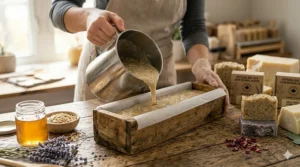
The debate between cold process and hot process soap making might seem like artisan navel-gazing, but it directly impacts what you’re putting on your skin. Cold process soap making—the method used by most premium handmade bar soap brands—involves mixing oils, water, and sodium hydroxide (lye) at room temperature or only slightly above, then allowing natural saponification to occur over 24-48 hours. The mixture then cures for 4-8 weeks, creating a hard, long-lasting bar with all beneficial oils intact.
Hot process soap, conversely, applies external heat to accelerate saponification to just a few hours. While faster for manufacturers, this heat can degrade delicate essential oils and reduce the glycerin content that makes handmade soap moisturizing. Think of it like slow-roasting versus microwaving vegetables—both technically cook the food, but the quality difference is unmistakable.
For Canadian buyers specifically, cold process matters because our climate demands maximum moisturization. The glycerin preserved in cold process soap actively pulls moisture from the air into your skin—beneficial even when indoor air is relatively dry. Hot process soap often has this glycerin extracted for use in other products, leaving you with a cleansing bar that offers little beyond basic hygiene.
Traditional soap crafting through cold process also allows for artistic techniques like swirling and layering that create visually appealing bars. While aesthetics might seem secondary to function, having a beautiful soap at your sink or in your shower transforms routine hygiene into a small daily luxury—something particularly valuable during Canadian winters when seasonal affective disorder impacts mood for many of us.
Common Mistakes When Buying Handmade Bar Soap in Canada
The most frequent error Canadian buyers make is treating all “natural” soaps as equivalent. Marketing terms like “natural,” “organic,” and “artisan” lack standardized definitions in Canadian cosmetics regulations—companies can use them freely regardless of actual ingredient quality. Always check the ingredient list yourself rather than relying on front-label claims. True handmade bar soap brands list saponified oils (like saponified olive oil, saponified coconut oil) rather than vague terms like “soap base” or “glycerin soap.”
Another mistake is storing bars improperly and then blaming the soap for dissolving too quickly. Handmade soap contains natural glycerin that attracts water—beneficial for your skin but problematic if the bar sits in a puddle between uses. Invest in a proper draining soap dish with ridges or drainage holes. This simple change can double your bar’s lifespan, dramatically improving cost-effectiveness. During humid Canadian summers, some users even store backup bars in cool, dry locations to prevent premature softening.
Many Canadians also fail to consider water hardness when selecting soap. Hard water (high mineral content) interferes with soap lathering, making users think they need more product than they actually do. If you live in areas with hard water—common across the prairies, parts of Ontario, and some BC interior regions—look for soaps with higher coconut oil content, which lathers more readily in hard water conditions. Alternatively, installing a shower filter can transform your experience with handmade soap while also benefiting your hair and skin more broadly.
Finally, don’t discount the adjustment period. If you’re switching from synthetic detergent body wash (which most commercial “soap” actually is) to true handmade bar soap, your skin may take 7-14 days to normalize as it stops overproducing oils to compensate for stripping detergents. Many Canadians give up during this transition, mistakenly thinking the natural soap isn’t working, when in fact their skin is recalibrating to gentler, more appropriate cleansing.
Handmade Bar Soap vs. Commercial Bar Soap: What Canadian Regulations Reveal
Understanding the regulatory difference between handmade and commercial soap illuminates why quality varies so dramatically. According to Health Canada’s cosmetics program, soap is defined as a product “manufactured, sold or represented for use in cleansing, improving or altering the complexion, skin, hair or teeth.” All cosmetics sold in Canada must meet requirements under the Food and Drugs Act and Cosmetic Regulations, including ingredient disclosure and safety standards.
However, what many Canadians don’t realize is that most commercial “soaps” aren’t legally soap at all—they’re synthetic detergents. Check the ingredient list on that bar from the drugstore: if you see sodium laureth sulfate, sodium lauryl sulfate, or various -eth and -ate compounds, you’re using a detergent formulated in a laboratory, not soap made from saponified oils. While these products effectively remove dirt and oil, they do so through chemical action that strips your skin’s natural protective barrier—problematic year-round, devastating during Canadian winters.
True handmade bar soap brands create soap through saponification—the chemical reaction between oils and sodium hydroxide (lye) that produces soap molecules and glycerin. This process, which dates back thousands of years, creates a product fundamentally compatible with human skin chemistry. The glycerin naturally produced remains in the soap (commercial manufacturers often extract it for separate sale), providing humectant properties that help your skin retain moisture.
Canadian cosmetics regulations require manufacturers and importers to notify Health Canada within 10 days of first selling a cosmetic product, providing ingredient lists, safety data, and contact information. This means that even small batch soap makers selling at farmers’ markets must comply with the same oversight that governs major corporations—an important consumer protection that helps ensure the handmade bar soap brands you purchase meet baseline safety standards regardless of production scale.
Real-World Benefits of Switching to Natural Bar Soap in Canadian Climates
What the scientific literature on skin health confirms is what traditional soap makers have known for generations: gentle cleansing with moisturizing ingredients protects skin function rather than disrupting it. A study published in the Journal of Cosmetic Dermatology found that soap with higher glycerin content significantly improved skin barrier function compared to detergent-based alternatives—particularly relevant for Canadians dealing with seasonal barrier disruption from temperature extremes.
The practical implications become obvious during Canadian winter. Indoor heating systems typically reduce relative humidity to 20-30%, well below the 40-60% range that skin thrives in. When you cleanse with harsh detergents in these conditions, you’re essentially conducting a chemistry experiment in skin barrier destruction—removing protective oils, disrupting pH balance, and accelerating moisture loss. Natural bar soap for sensitive skin, by contrast, cleanses without stripping, leaving glycerin and beneficial oils on your skin’s surface to slow trans-epidermal water loss.
Another benefit that Canadian users report is reduced need for post-shower moisturizer. While you shouldn’t entirely abandon moisturizer (especially in winter), high-quality handmade soap significantly reduces the tight, uncomfortable feeling that sends us reaching for body lotion within minutes of toweling off. Many users report cutting their moisturizer usage by half or more, which offsets the higher cost of premium soap while also simplifying bathroom routines.
For those with skin conditions like eczema or psoriasis—which affect approximately 3 million Canadians according to various dermatology associations—natural soap offers relief that commercial alternatives cannot. The absence of synthetic fragrances, preservatives like parabens, and harsh detergents means fewer potential irritants. While soap alone won’t treat serious skin conditions (always consult your healthcare provider), it removes one significant source of aggravation from daily life.
Small Batch Soap Makers: Supporting Canada’s Artisan Economy
When you purchase from small batch soap makers rather than corporate brands, you’re participating in Canada’s artisan economy in meaningful ways. These aren’t faceless corporations optimizing quarterly profits—they’re families and individuals who’ve dedicated years to perfecting recipes, sourcing ethical ingredients, and building businesses that prioritize quality over volume.
Consider the economic ripple effects. A small Canadian soap maker purchasing organic olive oil from a BC supplier supports Canadian agriculture. They buy essential oils from Canadian aromatherapy companies, packaging from Canadian paper mills, and hire local residents for production and fulfillment. Your $10 soap bar circulates through the Canadian economy multiple times, creating value far beyond the transaction itself.
There’s also the innovation factor. Large corporations optimize existing formulations; small batch soap makers experiment constantly. Many of the most interesting handmade bar soap brands available today—bars featuring activated charcoal, turmeric, goat milk, or exotic Canadian botanical extracts—emerged from artisan makers willing to test unconventional combinations. By supporting these innovators, Canadian consumers encourage continued creativity in a category that industrial manufacturing has largely commodified.
The relationship with your soap maker can also be surprisingly valuable. Most small Canadian soap companies maintain active social media presence and actually respond to customer questions. Want to know if their lavender soap would work for your rosacea-prone skin? Just ask—you’ll often get a thoughtful response from someone with genuine expertise, not a corporate social media handler reading from approved responses. This personalized guidance helps you make better purchasing decisions while building community connections in an increasingly impersonal marketplace.
Local Canadian Soap Brands: Province-by-Province Guide
British Columbia leads Canada in artisan soap production, with coastal climate and abundant local ingredients inspiring unique formulations. Rocky Mountain Soap Company and Saltspring Soap Works exemplify BC’s approach—incorporating regional botanicals like seaweed, wildflowers, and Pacific sea salt. The province’s strong environmental consciousness translates to brands emphasizing sustainability and local sourcing.
Alberta’s soap makers often incorporate prairie ingredients and emphasize hardiness—soap formulated for rural living where water might be hard, winters brutal, and proximity to agricultural activities means frequent handwashing. Many Alberta brands target farmers, ranchers, and outdoor workers who need serious cleaning power without skin damage.
Ontario hosts numerous small batch soap makers serving Canada’s largest population centre. Toronto-area brands often focus on sophisticated scent profiles and elegant packaging targeting urban consumers, while rural Ontario makers emphasize practicality and value. The province’s diversity enables multiple niche markets to thrive simultaneously.
Quebec’s artisan soap scene reflects the province’s distinct cultural identity, with many brands featuring French-language branding and formulations incorporating maple products, honey from Quebec beekeepers, and other regional ingredients. Bilingual labelling isn’t just legal requirement here—it’s cultural expectation that quality brands embrace enthusiastically.
Maritime provinces produce soap makers who understand coastal living challenges—salt air, humidity, and wind exposure that impacts skin differently than continental climates. Many Maritime brands incorporate seaweed, bay rum, and other ocean-influenced ingredients while maintaining price points accessible to regional economies.
Prairie provinces Saskatchewan and Manitoba host makers who understand extreme temperature swings and very low winter humidity. Their formulations often feature higher concentrations of moisturizing ingredients to combat the environment’s desiccating effects on skin.
Ingredients That Matter: Decoding Handmade Bar Soap Labels
When evaluating handmade bar soap brands, ingredient knowledge empowers better decisions. Start with the base oils—these determine fundamental soap characteristics. Olive oil creates mild, moisturizing soap excellent for face and sensitive skin. Coconut oil produces abundant lather and provides cleansing power but can be stripping if used in high percentages (look for formulations around 20-30% coconut oil, balanced with gentler oils).
Palm oil, when sustainably sourced, creates hardness and longevity—bars with palm oil last significantly longer than those without. However, palm oil production has controversial environmental implications. Ethical handmade bar soap brands use palm oil certified by the Roundtable on Sustainable Palm Oil (RSPO) or alternatives like babassu oil that provide similar properties without environmental damage.
Shea butter, a luxury ingredient, contributes exceptional moisturization and makes bars creamy rather than harsh. Canadian buyers should seek soaps listing shea butter in the first five ingredients—its position in the ingredient list indicates concentration. Fair trade organic shea butter, as used by brands like Crate 61 and Rocky Mountain Soap, ensures your purchase supports women’s cooperatives in West Africa rather than exploitative supply chains.
Essential oils versus fragrance oils represents another critical distinction. Essential oils are concentrated plant extracts providing genuine aromatherapy benefits—lavender essential oil contains compounds that actually promote relaxation; peppermint oil truly has antimicrobial properties. Fragrance oils are synthetic chemistry creating scent without therapeutic value. Neither is inherently dangerous when used properly, but if you want functional benefits beyond smell, choose essential oil-scented varieties.
Finally, look for what’s absent. Quality handmade bar soap brands don’t need parabens (preservatives unnecessary in properly made soap), sulfates (detergents that defeat the purpose of using natural soap), or synthetic colours (purely cosmetic with potential allergen risks). The simpler the ingredient list, generally the better—soap doesn’t require 30 ingredients to work beautifully.
❓ Frequently Asked Questions About Handmade Bar Soap Brands in Canada
❓ Are handmade bar soaps better than liquid body wash?
❓ How long do handmade bar soaps last?
❓ Can I use handmade bar soap on my face in Canadian winters?
❓ Where can I buy artisan bar soap in Canada besides Amazon?
❓ Is handmade soap safe for children and babies?
Conclusion: Making Your Handmade Bar Soap Decision
The resurgence of handmade bar soap brands in Canada represents more than wellness trend—it’s a return to practices that make practical sense for our climate, our skin, and our values. When you choose artisan bar soap over commercial alternatives, you’re not just buying cleansing product; you’re investing in your skin health, supporting small Canadian businesses, reducing plastic waste, and often contributing to ethical supply chains that benefit communities worldwide.
The brands profiled here—from Canadian-made Crate 61 to fair-trade-certified Dr. Bronner’s to heritage brands like Saltspring Soap Works—each offer distinct benefits. Your ideal choice depends on whether you prioritize environmental impact, supporting local Canadian production, specific skin needs, or ethical sourcing transparency. What they share is commitment to quality that commercial mass production cannot match.
Start by ordering variety packs from two or three brands that align with your priorities. Test them for 2-3 weeks each (giving your skin time to adjust if transitioning from synthetic detergents). Pay attention to how your skin feels 30 minutes after showering, whether you need less moisturizer, and how long bars actually last. Most Canadians discover that spending $6-$8 per bar for handmade soap provides better value than $4 commercial alternatives that dissolve in half the time while offering fraction of the benefits.
Your skin deserves ingredients it recognizes—oils, butters, essential oils, and minimal processing. Handmade bar soap brands deliver exactly that, transforming daily hygiene from mundane necessity into genuine self-care. For Canadian buyers ready to make the switch, the brands reviewed here represent an excellent starting point for discovering what quality soap truly means.
✨ Don’t Miss These Exclusive Deals!
🔍 Take your skincare routine to the next level with these carefully selected handmade bar soap brands. Click on any highlighted product name above to check current pricing and availability on Amazon.ca. These artisan soaps will help you achieve healthier, more comfortable skin through Canadian winters and beyond!
Recommended for You
- 7 Best Vegan Cold Process Bar Soap in Canada 2026
- 7 Best Cold Process Soaps Canada 2026 | Natural Glycerin Bars
- 7 Best Traditional Bar Soap in Canada 2026
Disclaimer: This article contains affiliate links. As an Amazon Associate, I earn from qualifying purchases. If you purchase products through these links, we may earn a small commission at no additional cost to you.
✨ Found this helpful? Share it with your friends! 💬🤗
