In This Article
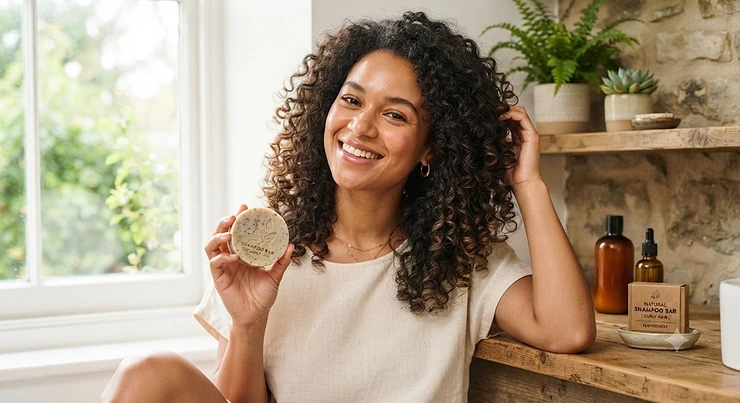
A shampoo bar is a solid, concentrated hair cleanser that replaces liquid shampoo and its plastic bottle, using surfactants or saponified oils to lift dirt and oil from hair and scalp without added water. If you have ever stood in the shower holding a nearly empty bottle of shampoo, squeezing it sideways to coax out the last stubborn drop, you already understand the appeal. The best shampoo bar on the market today does everything a bottle does — lather, cleanse, rinse clean — minus the plastic, minus the shipping weight, and often minus the filler ingredients that do nothing but bulk up a formula with water.
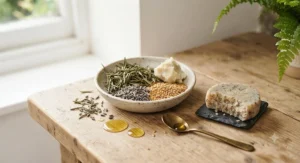
Canadians are switching in growing numbers, and the reasons go beyond trend-chasing. According to Statistics Canada’s plastic flow data, packaging remains the single largest category of plastic produced for Canadian consumption every year the account has been tracked. Bathroom bottles are a meaningful slice of that pile, and swapping even one product in your routine adds up over a year of showers. This guide digs into 7 real shampoo bars sold in Canada, spanning budget, mid-range, and premium options, plus honest analysis of who each one suits and why. We will also cover plastic-free hair care basics, how concentrated shampoo bars actually perform against hard water and different hair types, and the small technique adjustments that make or break your first month with a bar.
Everything here is grounded in real product specifications and aggregated customer-review sentiment — not fabricated testimonials. Where reviewers disagree or a claim can’t be verified, we say so. By the end, you should know exactly which bar fits your hair, your budget, and your bathroom shelf.
Quick Comparison Table
| Shampoo Bar | Best For | Price Range (CAD) | Hair Type |
|---|---|---|---|
| J.R. Liggett’s Original Formula | Best budget pick | Under C$15 | Normal, oily |
| Ethique Everyday (Vitamin C) | Best all-rounder | C$15-C$20 | Normal, dull hair |
| Kitsch Rice Water | Best for thinning/fine hair | C$15-C$20 | Fine, thinning |
| Lush Jason and the Argan Oil | Best premium/luxury pick | C$15-C$20 | Dry, colour-treated |
Looking at this shortlist, the price spread across these bars is surprisingly tight — nearly all land in the same C$10-C$20 band, which means the real differentiator isn’t cost, it’s formulation matched to hair type. Budget doesn’t have to mean a downgrade in quality here, since J.R. Liggett’s has been hand-cut using the same basic recipe for decades, while Lush’s premium positioning comes from added actives like argan oil rather than a fundamentally different cleansing base. If you’re new to plastic-free hair care, starting with a mid-range, all-purpose formula like Ethique’s Everyday bar is the safer first purchase before committing to a specialty formula.
💬 Just one click — help others make better buying decisions too!😊
Top 7 Shampoo Bars: Expert Analysis
Choosing the best shampoo bar depends heavily on your hair’s specific needs, so this lineup deliberately spans budget, mid-range, and premium formulas, plus a couple of specialty picks for scalp concerns and hair-thinning worries. Every product below is a real, currently available bar — no invented names, no fictional specs.
1. J.R. Liggett’s Original Formula Shampoo Bar — the old-school budget classic
J.R. Liggett’s has been hand-cutting shampoo bars in Cornish, New Hampshire since 1982, and the Original Formula is the recipe that started it all. At 3.5 oz, the bar is saponified from olive, coconut, and castor oils rather than built on modern surfactants, which is a meaningful distinction: it behaves more like a true soap than the syndet (synthetic detergent) bars dominating this list. In practice, that means it lathers quickly and rinses easily, but in hard water it’s more prone to leaving a mineral film than the surfactant-based bars below. Based on the spec comparison, this bar suits people with naturally oily to normal hair and reasonably soft water; if you live somewhere with notoriously hard tap water, expect to lean on a diluted vinegar rinse occasionally. Reviewers consistently note that hair feels clean and lightly voluminous after a wash, though a meaningful minority — particularly people with fine or previously colour-treated hair — report a temporary “adjustment period” of waxiness before their scalp’s oil production rebalances. That transition period is real and worth planning for rather than dismissing.
Pros:
- ✅ Lowest price point of any bar on this list
- ✅ Simple, recognizable ingredient list with no synthetic detergents
- ✅ One bar lasts roughly as long as a large bottle of liquid shampoo
Cons:
- ❌ Can leave mineral buildup in hard water areas
- ❌ Adjustment period may cause temporary waxy feel for some hair types
Priced under C$15, this is the easiest entry point into shampoo bars for anyone testing the waters before investing in a specialty formula.
2. Pure Anada Cooling Shampoo Bar (Peppermint & Rosemary) — small-batch Canadian-made pick
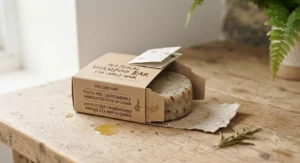
Pure Anada is a Manitoba-based cosmetics company that formulates and manufactures its shampoo bars in its own certified lab on the Canadian prairies rather than outsourcing to a third-party facility, which is a rarity in this category. The Cooling bar combines peppermint and rosemary essential oils with an EcoCert-approved surfactant blend (sodium coco-sulfate, sodium lauryl sulfoacetate, cocamidopropyl betaine, and decyl glucoside) plus cocoa butter for conditioning. What most buyers overlook about this formula is that it’s genuinely pH-balanced for hair rather than simply relabelled bar soap — Pure Anada explicitly notes that saponified soap bars sit at a pH too high for scalp health, and this bar is formulated to sidestep that problem entirely. It’s a strong option for anyone who wants a scalp-stimulating, circulation-boosting wash without synthetic fragrance overload, and the small-batch, homegrown manufacturing story appeals to shoppers who specifically want to support a Canadian business. Aggregated customer sentiment on the brand’s own storefront and community roundups skews toward praise for lather quality and a “not greasy or heavy” finish, though as a smaller-batch producer, third-party review volume is thinner than the bigger international brands on this list, so treat that sentiment as promising rather than exhaustively verified.
Pros:
- ✅ Made and formulated entirely in Manitoba, Canada
- ✅ EcoCert-approved, pH-balanced surfactant blend
- ✅ Peppermint and rosemary support scalp circulation
Cons:
- ❌ Smaller review pool than major international brands
- ❌ Limited to pickup or direct shipping in some regions
At around C$18, this bar sits mid-pack on price but wins points for supporting a genuinely small Canadian operation.
3. Ethique Scalp Health Shampoo Bar (Oatmeal) — best for itchy, flaky scalps
Formerly sold as “Heali Kiwi,” Ethique’s Scalp Health bar is built around oat kernel flour and lime oil in a base of sodium coco-sulfate and sodium cocoyl isethionate, two gentler alternatives to traditional SLS. The oat flour is the key functional ingredient here — its beta-glucan content is known to calm irritation, which is why this formula specifically targets dry, itchy, or flaky scalps rather than positioning itself as a general-purpose cleanser. Here’s what to weigh: because Ethique bars are genuinely concentrated (the brand states each shampoo bar replaces roughly three bottles of liquid shampoo), the up-front price looks steep next to a drugstore bottle until you divide it by total washes, at which point the cost-per-use narrows considerably. Reviewers with sensitive or flaky scalps report the bar calms itching noticeably within a few uses, while a smaller group with very fine hair mention needing a lightweight leave-in afterward since the formula prioritizes scalp comfort over weightless volume. This is a “buy for the problem, not the hype” pick — great if flaking or itchiness is your actual complaint, less exciting if you just want an everyday all-rounder.
Pros:
- ✅ Oat flour formula specifically targets scalp irritation
- ✅ Free from silicones, parabens, and palm oil
- ✅ Concentrated formula stretches across many washes
Cons:
- ❌ Premium price relative to bar size
- ❌ May feel drying at the ends for very fine hair
Expect to pay in the C$15-C$20 range, which works out to a reasonable per-wash cost once you account for the concentration.
4. Ethique Everyday Shampoo Bar (Vitamin C) — best all-around daily driver
Where the Scalp Health bar solves a specific problem, Ethique’s Everyday bar (formerly “Pinkalicious”) is designed as the brand’s general-purpose option, built around vitamin C for shine, vitamin B5 for moisture, and coconut oil for nourishment. On paper, this combination targets dull, lifeless hair rather than any particular scalp condition, and it’s formulated to be safe on colour-treated strands — a detail that matters because several sulfate-heavy bars elsewhere in this category can strip colour faster than a bottled sulfate-free shampoo would. Based on the ingredient profile, this is the bar to reach for if you don’t have a specific complaint (dandruff, thinning, extreme dryness) and just want a reliable daily cleanser that won’t dull your colour over time. Aggregated reviews frequently mention a pleasant, not-overpowering scent and a lather that builds faster than some of the denser bars on this list, though — consistent with Ethique’s broader catalogue — a subset of reviewers with very short or fine hair find the standard-size bar awkward to grip and lather efficiently at first.
Pros:
- ✅ Vitamin C and B5 combination boosts shine and moisture
- ✅ Formulated to be gentle on colour-treated hair
- ✅ Builds a full lather faster than denser bars
Cons:
- ❌ Standard bar size can feel awkward for short or fine hair initially
- ❌ Premium pricing versus mass-market bottled shampoo
At roughly C$15-C$20, this is the bar we’d point a first-time shampoo-bar buyer toward if they want one bar that does most things well.
5. HiBAR Moisturize Shampoo Bar — best for dry, frizzy hair
HiBAR takes a different structural approach than several bars here: it’s entirely soap-free and surfactant-based, built on sodium cocoyl isethionate rather than saponified oils, which the brand markets as gentler and less prone to the scalp buildup some soap-based bars can cause. The Moisturize formula adds rice protein for detangling, vitamin B5 for resilience, and cocoa butter plus a plant-derived silicone alternative from olive oil for slip and shine. What most buyers overlook about HiBAR specifically is that its ergonomic, tapered shape is a genuine usability upgrade — it’s designed to sit comfortably in the palm rather than slip around like a traditional soap bar, which matters more than it sounds once your hands are wet and full of lather. Reviewers with dry or frizzy hair frequently report the conditioner-bar companion outperforms the shampoo bar in isolation, with several noting the shampoo alone can feel slightly stripping on its own for very dry hair, reinforcing that this line is best used as a shampoo-and-conditioner-bar pairing rather than shampoo alone.
Pros:
- ✅ Soap-free, surfactant-based formula avoids saponified-oil buildup
- ✅ Ergonomic shape designed for easier handling
- ✅ Leaping Bunny certified and fully vegan
Cons:
- ❌ Shampoo alone can feel mildly stripping for very dry hair
- ❌ Best results require pairing with the matching conditioner bar
Priced around C$14-C$18 per bar, HiBAR sits comfortably in the mid-range tier, especially if bought as part of a shampoo-and-conditioner set.
6. Kitsch Rice Water Shampoo Bar — best for fine or thinning hair concerns
Kitsch’s Rice Water bar leans on hydrolyzed rice protein, drawing on the long-standing East Asian tradition of rinsing hair with fermented rice water for strength and shine, reformulated here into a solid surfactant bar using sodium cocoyl isethionate and sodium methyl cocoyl taurate. The brand’s own testing claims a measurable increase in hair volume after repeated washes, a specific and falsifiable claim rather than vague marketing language, though independent, large-scale third-party verification of that exact figure is not something we could confirm — treat it as a manufacturer claim worth noting rather than an independently established fact. What the spec sheet won’t tell you, but reviewers note, is that the scent is notably stronger and sweeter than most bars on this list, which is a dealbreaker for fragrance-sensitive users but a selling point for people who like their hair care to smell like a product. Aggregated sentiment is mixed on the hair-growth angle specifically: plenty of reviewers report thicker-feeling, shinier hair within weeks, while others — often those hoping to reverse hair loss from medical causes — report no noticeable change, which lines up with the reality that a topical shampoo bar cannot address underlying hormonal or medical hair-thinning causes.
Pros:
- ✅ Rice protein formula adds noticeable shine and body
- ✅ Paraben, silicone, and sulfate-free
- ✅ 4ocean partnership pulls ocean plastic per bar sold
Cons:
- ❌ Fragrance is strong and may not suit scent-sensitive users
- ❌ Hair-growth marketing claims aren’t a fix for medical hair loss
Expect to pay around C$14 per bar, or slightly less when bundled with the matching conditioner bar in a set.
7. Lush Jason and the Argan Oil Shampoo Bar — best premium, Made-in-Canada pick
Lush’s naked shampoo bars are formulated and produced in Canada, and Jason and the Argan Oil is one of the brand’s most popular solid formulas, built around Moroccan argan oil and glycerine in an SLS-based cleansing system, finished with rose and lemon oils. The inclusion of a traditional detergent (sodium lauryl sulfoacetate/SLS) rather than a gentler alternative is worth flagging honestly: it produces a notably rich, fast lather and a “squeaky clean” rinse-off feel that some hair types love and others find borderline stripping, so this bar rewards pairing with a conditioner more than the gentler syndet bars elsewhere on this list. Based on the spec comparison, the combination of argan oil and glycerine is genuinely well-suited to dry, brittle, or colour-treated hair that needs a moisture boost, and Lush states each bar lasts up to 60-80 washes — a meaningfully longer lifespan than some competitors, which helps offset the premium positioning. Reviewers consistently praise the long-lasting rose fragrance during the shower itself, though several note the scent doesn’t cling to dry hair for long afterward, and a subset with very fine or oil-prone hair say the argan oil base can feel slightly heavy if used daily rather than every few washes.
Pros:
- ✅ Formulated and made in Canada
- ✅ Argan oil and glycerine deeply moisturize dry hair
- ✅ Long-lasting bar rated for up to 60-80 washes
Cons:
- ❌ Contains SLS, which can feel stripping for some hair types
- ❌ Can feel heavy if used daily on fine or oily hair
Around C$15-C$20 per bar, and given the extended wash count, the effective cost-per-wash is among the most competitive on this list despite the premium brand positioning.
How to Use a Shampoo Bar the Right Way
Switching to a shampoo bar is simple, but the small technique details make the difference between “this works great” and “this dried out my hair.” First, soak your hair thoroughly — bar shampoos have no water in the formula, so a half-wet head won’t activate the surfactants properly. Rub the bar directly between wet palms until you build a light lather, then work that lather through your hair rather than dragging the bar itself across long lengths, which can cause tangling and uneven distribution. Rinse for longer than you think you need to; residue left behind is the single most common cause of “greasy” or “dull” reports in shampoo bar reviews, and most of those complaints trace back to under-rinsing rather than a bad formula.
Expect a two-to-four-week adjustment period, especially if you’re switching from a sulfate-heavy bottled shampoo. Your scalp has been trained to overproduce oil to compensate for daily stripping, and it takes a few weeks to recalibrate once that stripping stops. During this window, wash every other day rather than daily if your hair tolerates it, and resist the urge to switch bars at the first sign of waxy or heavy hair — that’s usually the adjustment talking, not the product failing. Storage matters just as much as application: leave your bar on a well-draining dish between uses, never sitting in standing water, since a mushy, waterlogged bar burns through product far faster and can grow mould in humid bathrooms. A magnetic tin or a slotted soap dish extends bar life dramatically and is one of the cheapest upgrades you can make to this routine.
Real-World Scenarios: Which Shampoo Bar Fits Your Life
Picture a university student in Waterloo sharing a dorm bathroom with three roommates: limited shelf space, a tight budget, and frequent trips home on weekends. For that situation, J.R. Liggett’s Original Formula or the Kitsch Rice Water bar make the most sense — both are compact, TSA-friendly for holiday travel, and inexpensive enough that a lost or forgotten bar isn’t a financial setback.
Now picture a busy parent in suburban Calgary with colour-treated hair and hard well water, washing three or four times a week and looking to simplify a cluttered shower shelf. The Ethique Everyday bar or Lush’s Jason and the Argan Oil are better fits here, since both are formulated with colour-safety and moisture in mind, though the well-water hardness means an occasional diluted vinegar rinse will help prevent buildup regardless of which bar is chosen.
Finally, consider someone dealing with a persistently itchy, flaky scalp who has already tried a handful of drugstore anti-dandruff shampoos with limited success. The Ethique Scalp Health bar, built specifically around calming oat flour, is the more targeted choice here — it won’t replace a dermatologist visit if the underlying cause is a diagnosed skin condition, but as an everyday cleanser it’s formulated for exactly this complaint rather than being a general-purpose bar stretched to cover it.
Common Shampoo Bar Problems and How to Fix Them
Problem: Hair feels waxy or coated after washing. This is almost always either under-rinsing or hard water mineral buildup interacting with a soap-based bar like J.R. Liggett’s. Solution: rinse for a full 60 seconds longer than feels necessary, and once every week or two, follow with a diluted apple cider vinegar rinse (roughly one tablespoon per cup of water) to dissolve mineral film.
Problem: The bar dissolves quickly or turns to mush. This points to storage, not formula quality. Solution: switch to a slotted, well-draining soap dish and keep the bar out of direct water spray between uses; a bar stored properly should last two to three times longer than one left sitting in a puddle.
Problem: Hair feels dry or stripped, especially with SLS-based bars. Solution: pair the shampoo bar with a matching conditioner bar rather than using shampoo alone, and reduce wash frequency slightly while your scalp’s oil production recalibrates.
Problem: Difficulty building a lather with short or fine hair. Solution: lather the bar in your hands first rather than applying it directly to hair, which gives you more control over distribution and reduces the friction that can cause tangling in finer strands.
Problem: Scent doesn’t last, or is stronger than expected. Solution: this varies significantly by brand — fragrance-sensitive users should look toward Pure Anada’s essential-oil-based scents or Ethique’s milder profiles rather than heavily perfumed formulas like Kitsch or Lush.

How to Choose the Best Shampoo Bar
- Identify your hair’s actual concern first. Dandruff, dryness, thinning, and colour-treatment each point toward a different formula category — don’t buy a general “best shampoo bar” pick if you have a specific, named problem to solve.
- Check the surfactant base, not just the marketing. Saponified soap bars (like J.R. Liggett’s) behave differently in hard water than syndet bars built on sodium cocoyl isethionate (like Ethique or HiBAR) — know which one you’re buying.
- Match fragrance intensity to your sensitivity. If you react to strong scents, skip heavily perfumed bars regardless of how well-reviewed they are for cleansing performance.
- Factor in your water hardness. Hard water areas benefit more from surfactant-based bars and occasional acidic rinses than from traditional saponified soap bars.
- Calculate cost-per-wash, not just sticker price. A C$20 bar that lasts 80 washes beats a C$10 bottle that lasts 20 uses on a pure value basis.
- Consider whether you need a matching conditioner bar. Several formulas on this list, particularly HiBAR and Lush, are explicitly designed to be paired rather than used alone.
- Look for third-party cruelty-free or vegan certification if that matters to you. Leaping Bunny certification (present on Ethique and HiBAR) is a verifiable, independently audited standard rather than a self-applied label.
Shampoo Bars vs Liquid Shampoo
| Factor | Shampoo Bars | Liquid Shampoo |
|---|---|---|
| Packaging waste | Plastic-free or minimal cardboard | Plastic bottle per purchase |
| Concentration | Highly concentrated, no added water | Typically 70-90% water |
| Travel friendliness | TSA-friendly, no liquid restrictions | Subject to liquid carry-on limits |
| Learning curve | Requires technique adjustment | Familiar, no adjustment needed |
| Typical cost-per-wash | Often lower once concentration is factored in | Often higher due to water dilution |
The packaging difference is the most obvious distinction, but the concentration gap matters just as much for anyone trying to cut bathroom clutter or travel light. Because most liquid haircare is mostly water by volume, a solid bar genuinely condenses down to the actives your hair needs, which is why a single 3.5 oz shampoo bar can realistically replace two to three standard bottles. The trade-off is a real learning curve — expect a slightly awkward first week or two before the technique clicks, whereas liquid shampoo requires zero adjustment from day one.
✨ Ready to make the switch?
Check current prices on the bars above and see which one fits your hair type best!
What to Expect: Real-World Performance in Canadian Water
Water hardness varies dramatically across Canada, and it has a bigger impact on shampoo bar performance than almost any other single factor. Saponified soap bars, like J.R. Liggett’s, react with the calcium and magnesium ions common in hard water to form a soap scum-like film — the same chemistry responsible for “bathtub ring.” Every cosmetic surfactant and preservative sold in a shampoo bar here is also subject to Health Canada’s Cosmetic Ingredient Hotlist, the federal tool that governs which substances are prohibited or restricted in cosmetics sold in Canada, which is part of why most modern shampoo bars, including every syndet formula on this list, have shifted toward milder, hard-water-tolerant surfactants like sodium cocoyl isethionate rather than traditional soap bases. The underlying science of why pH matters here comes down to the chemistry of pH itself — hair and scalp sit naturally around pH 4.5-5.5, while true soap bars sit closer to pH 9-10, which is why pH-balanced syndet bars tend to leave hair feeling smoother than soap-based alternatives, particularly for people with fine or colour-treated hair.
In practical terms, if you live somewhere with notoriously hard water — much of the Prairies and parts of Southern Ontario, for instance — lean toward the surfactant-based bars (Ethique, HiBAR, Kitsch) over soap-based ones, or budget for an occasional clarifying vinegar rinse regardless of which bar you choose. Softer water regions, including much of coastal British Columbia, will see fewer buildup complaints across the board, making soap-based bars a more viable budget option there.
Best Shampoo Bar for Different Hair Types and Needs
For dry, brittle, or colour-treated hair, the moisture-forward formulas — Lush’s Jason and the Argan Oil, HiBAR’s Moisturize bar, and Ethique’s Everyday bar — offer the richest conditioning bases, generally best paired with a matching conditioner bar. For oily or normal hair that just needs a reliable daily wash, J.R. Liggett’s and Pure Anada’s Cooling bar both clarify effectively without over-stripping, and their lower price points make frequent washing more affordable. For fine or thinning hair, Kitsch’s Rice Water formula and HiBAR’s Volumize line (a companion product in the same range) both prioritize lightweight body over heavy conditioning agents that can weigh fine strands down. For itchy, flaky, or sensitive scalps, Ethique’s Scalp Health bar remains the most targeted pick on this list, built specifically around calming oat flour rather than general-purpose cleansing agents.
Long-Term Cost and Maintenance: Are Concentrated Shampoo Bars Worth It?
The upfront price of a shampoo bar — typically C$10 to C$20 — looks steep next to a C$5 drugstore bottle until you account for concentration. Ethique states its shampoo bars are each equivalent to roughly three standard liquid bottles, while J.R. Liggett’s rates its bars at approximately 24 oz of liquid shampoo equivalent per 3.5 oz solid bar. Run the math on a typical household washing three to four times weekly, and a single C$15-C$20 shampoo bar can realistically outlast six to eight weeks of use, working out to a lower true cost-per-wash than most mid-range bottled shampoos once you stop comparing sticker prices in isolation.
Maintenance costs are minimal but not zero: a slotted soap dish (often under C$10) pays for itself within the first bar’s lifespan by preventing premature dissolving, and an occasional bottle of white vinegar for clarifying rinses in hard water areas adds pennies per use. The bigger long-term saving is indirect — fewer bottles purchased means fewer trips to restock, and recent recycling-rate estimates for Canada suggest only a modest share of total plastic waste generated each year is actually recycled, meaning avoiding the bottle in the first place is a more reliable outcome than hoping it gets properly recycled after use.
Features That Actually Matter (And Those That Don’t)
Matters: the surfactant or soap base, since it determines hard-water compatibility and how your specific hair type will respond.
Doesn’t matter as much: elaborate bar shapes or embossed logos — a well-formulated plain bar cleans hair exactly as well as an artfully sculpted one.
Matters: third-party cruelty-free certification like Leaping Bunny, which is independently audited rather than self-declared.
Doesn’t matter much: vague “clinically proven” claims without a cited study or sample size behind them — treat these as marketing language rather than verified fact.
Matters: whether the formula is designed to pair with a specific conditioner bar, since several products on this list underperform when used shampoo-only.
Doesn’t matter: fragrance complexity for its own sake — a simple, single-note essential oil bar cleans just as effectively as a five-oil fragrance blend, and fragrance-sensitive buyers are often better served by the simpler option regardless of hype.
Frequently Asked Questions
❓ Does a shampoo bar work the same as liquid shampoo?
❓ How long does one shampoo bar last?
❓ Are shampoo bars good for coloured hair?
❓ Why does my hair feel waxy after using a shampoo bar?
❓ Can shampoo bars cause hair loss?
Conclusion
The best shampoo bar for you comes down to matching a real formula to a real hair concern rather than chasing the single “best overall” pick across every list online. Budget-conscious, normal-to-oily hair does well with J.R. Liggett’s classic saponified bar; colour-treated or dry hair leans toward Ethique’s Everyday bar or Lush’s argan oil formula; itchy or flaky scalps benefit specifically from Ethique’s oat-based Scalp Health bar; and anyone chasing volume or shine gravitates toward Kitsch’s rice water formula or HiBAR’s moisture-focused line. Canadians who specifically want to support a homegrown, small-batch operation have a genuine option in Pure Anada, manufactured entirely in Manitoba.
None of these switches require perfection on day one. Expect a short adjustment window, rinse longer than feels necessary, store the bar properly between washes, and reassess after a full month rather than a single shower. Plastic-free hair care is less about any single miracle bar and more about finding the one formula, among several genuinely good options, that fits your water, your hair type, and your routine.
✨ Found your next shampoo bar on this list? Share this guide with a friend who’s ready to ditch the bottle too! 💬🤗
Recommended for You
- Travel Soap on a Rope: 7 Genius Picks for 2026 (No More Mush)
- Soap on a Rope Men Can Rely On: 7 Best Picks for 2026
- Zero Waste Liquid Soap Refill: 7 Picks Canadians Love (2026)
Disclaimer: This article contains affiliate links. As an Amazon Associate, I earn from qualifying purchases. If you purchase products through these links, we may earn a small commission at no additional cost to you.
✨ Found this helpful? Share it with your friends! 💬🤗
