In This Article
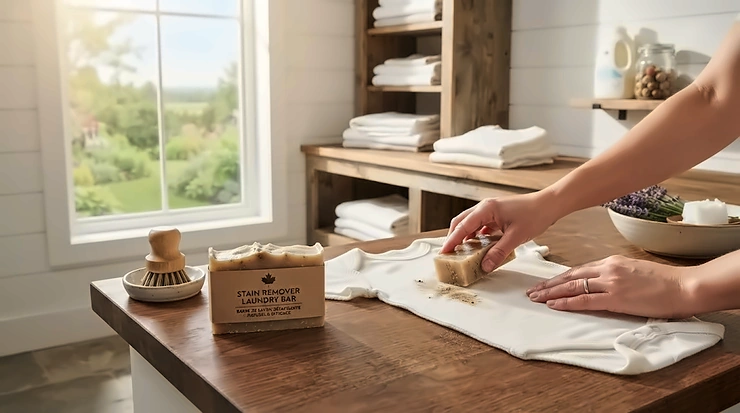
There’s a very specific kind of dread that comes from spotting a grease splotch on your favourite hoodie thirty seconds after you’ve already tossed the whole load in the wash. You know the one — that quiet sinking feeling, followed by a frantic scroll through the internet asking “does anything actually get this out?” A stain remover laundry bar is, more often than not, the unglamorous hero that ends that particular horror story. These are solid bars of soap — not detergent pods, not sprays — formulated (or, in a few cases, simply repurposed) specifically to be rubbed directly onto a stain before it ever meets your machine. They’re cheap, they’re portable, and unlike a lot of modern laundry products, they’ve barely changed their formula in decades because, frankly, they didn’t need to.
This guide walks through seven real, currently available products that Canadians can buy through amazon.ca, breaks down where each one actually shines, and digs into the kind of practical detail that a product listing simply won’t give you — things like why a 300g bar of Fels-Naptha can outlast three bottles of spray stain remover, or why a natural stain stick might disappoint you on a 20°C wash cycle. We’ll also cover the best laundry bar soap options for everyday use, look at pre-treatment soap sticks for travel, get into tough stain removal tactics for the stuff that just won’t budge, and talk about spot cleaning laundry soap for delicates that can’t handle a full scrub. By the end, you should know exactly which bar belongs in your laundry room — and why.
What Is a Stain Remover Laundry Bar?
A stain remover laundry bar is a solid soap bar — typically made from tallow, coconut oil, or plant-based surfactants — designed to be rubbed directly onto a fabric stain before washing. Unlike liquid detergents, it delivers a concentrated dose of cleaning agents exactly where a stain sits, breaking down oils, proteins, and pigments through direct friction and saponification rather than dilution.
Quick Comparison Table
| Product | Type | Best For | Price Range (CAD) |
|---|---|---|---|
| Fels-Naptha Laundry Soap Bar | Traditional bar | Grease and oil-based stains | Around C$3-C$5 |
| Zote Pink Laundry Soap Bar | Traditional bar | Whites, brights, and general laundry | Around C$4-C$7 |
| Sunlight Detergent Bar | Traditional bar | Everyday pre-treating on a budget | Around C$3-C$6 |
| Buncha Farmers Stain Remover Stick | Natural stick | Blood, grass, and organic stains | C$8-C$12 range |
| Nellie’s Wow Stick | Natural stick | Sensitive skin, travel use | C$9-C$13 range |
| Tru Earth Stain Remover Stick | Natural stick | Eco-conscious households | C$8-C$12 range |
| Dr. Bronner’s Pure-Castile Bar Soap | Multi-purpose castile bar | Delicates and multi-use households | C$10-C$16 range |
Looking at the table, the split is pretty clean: the three traditional bars (Fels-Naptha, Zote, and Sunlight) dominate on raw value and grease-cutting muscle, while the three natural sticks (Buncha Farmers, Nellie’s Wow Stick, and Tru Earth) trade a bit of that brute force for gentler ingredients and travel-friendly packaging. Dr. Bronner’s sits in its own lane entirely — it’s not marketed as a stain remover at all, but its castile formula and versatility earn it a spot for households that want one bar to do five jobs. Budget-focused buyers should start with the top three; anyone with sensitive skin or a baby in the house will want to look further down the list.
💬 Just one click — help others make better buying decisions too!😊
Top 7 Stain Remover Laundry Bars: Expert Analysis
1. Fels-Naptha Laundry Soap Bar — the classic grease-cutting workhorse
That orange-yellow bar has been sitting on hardware store shelves since the 1890s, and it’s stuck around because it flat-out works on oil. The bar is a straightforward tallow-and-coconut-oil-based soap without the naphtha solvent that gave it its name decades ago (that ingredient was phased out for safety reasons), yet it retains the same aggressive lathering action against grease, motor oil, and cooking splatters. Based on the spec comparison against modern liquid pre-treaters, the sheer surface concentration of a bar beats a spray every time you’re dealing with something viscous — a spray dilutes on contact, while a bar deposits soap directly into the fibre. This is the bar for anyone who does yard work, cooks with oil regularly, or has a partner who “fixes cars on the weekend” and comes home looking like it. Reviewers consistently report that it’s most effective when the stain is still fresh and the bar is worked in with warm water before the item goes into the machine; on set-in stains, multiple applications are often needed. What most buyers overlook is that a single bar, at roughly 140g, can last a household several months of regular spot-treating, making the cost-per-use dramatically lower than bottled alternatives.
Pros:
- ✅ Exceptional at breaking down grease and oil stains
- ✅ Extremely long-lasting for the price point
- ✅ Available in almost every grocery and hardware store
Cons:
- ❌ Strong, old-fashioned scent some find overpowering
- ❌ Requires manual scrubbing — no spray convenience
At around C$3-C$5 a bar, this is about as close to a “can’t go wrong” purchase as laundry care gets, and the value verdict is simple: if grease is your main enemy, this bar earns its shelf space many times over.

2. Zote Pink Laundry Soap Bar — bright pink powerhouse for whites and brights
Zote is a Mexican laundry soap that’s built its reputation less on a single stain type and more on general-purpose muscle, particularly for whitening and brightening. The bar’s formula leans on coconut oil for lather and includes optical brighteners, which is the spec that actually matters here — it means Zote isn’t just cleaning the fabric, it’s making white and light-coloured clothing look visibly whiter under normal lighting, something a plain soap bar can’t replicate. Here’s what to weigh: this makes Zote a favourite for parents dealing with sports uniforms, school shirts, and cloth diapers, where “clean” and “bright” both matter. Reviewers consistently mention using it as a hand-wash soap for delicates in addition to spot-treating, and a common thread in feedback is that it doubles nicely as an ingredient for homemade laundry detergent for people who like to DIY. On paper, the coconut oil base also means it’s gentler on skin than some petroleum-derived alternatives, though it still carries a distinct citronella-forward scent that not everyone loves.
Pros:
- ✅ Optical brighteners genuinely improve whiteness over time
- ✅ Large bar size offers strong value per gram
- ✅ Doubles as a gentle hand-wash soap for delicates
Cons:
- ❌ Citronella scent lingers longer than some prefer
- ❌ Less specialized against oil-based stains than Fels-Naptha
In the C$4-C$7 range for a full-size bar, Zote earns its spot as the go-to choice for households prioritizing whites and general laundry care over pure grease-fighting.
3. Sunlight Detergent Bar — Canada’s household staple with orange peel extract
Few laundry bars carry the same nostalgia weight in Canada as Sunlight. It’s been a staple in this market for well over a century, and the current orange peel formulation keeps things simple: a solid detergent bar meant for pre-treating and hand-washing, built around surfactants and lather enhancers rather than the tallow-based recipe you’ll find in Fels-Naptha or Zote. What most buyers overlook about this model is that being a detergent bar (rather than a true soap) means it tends to rinse cleaner in hard water, leaving less of the filmy residue that soap-based bars can sometimes deposit on dark fabrics. Reviewers consistently note the citrus scent as a genuine upgrade over the “old soap smell” associated with some competitors, which matters if you’re treating stains on items you’ll be wearing close to your face, like collars. Based on the spec comparison, it’s a slightly gentler formula overall — great for routine spot-treating, but buyers dealing with genuinely stubborn, set-in stains may need to pair it with a more aggressive product like Fels-Naptha for the worst offenders.
Pros:
- ✅ Rinses cleanly with minimal residue in hard water
- ✅ Pleasant citrus scent instead of a heavy soap smell
- ✅ Long Canadian track record and wide availability
Cons:
- ❌ Less aggressive on deeply set grease stains
- ❌ Smaller bar sizes than some competitors for the price
At around C$3-C$6, Sunlight represents dependable, everyday value — not the toughest option on this list, but a smart all-rounder for routine laundry care.
4. Buncha Farmers Stain Remover Stick — made-in-Canada natural stain fighter
This one’s a genuine homegrown product, made in Canada using saponified coconut, canola, and vegetable oils along with lemon and litsea cubeba essential oils. The formula skips synthetic dyes and fragrances entirely, which — based on the spec comparison — puts it in a different category from the traditional bars above: it’s chemically simpler, but also less concentrated against heavy grease. Reviewers consistently report strong results on protein-based and organic stains: grass, blood, red wine, ketchup, and sweat all come up repeatedly in aggregated feedback, with several users specifically mentioning success on nylon, leather, and even cloth menstrual products where residue and irritation are real concerns. What most buyers overlook is the application method — this stick performs best with hot water and a short rest period (10-20 minutes) before laundering, rather than an instant rub-and-wash. It’s a smart pick for households managing sensitive skin, babies, or anyone trying to reduce synthetic fragrance exposure without giving up real stain-fighting performance.
Pros:
- ✅ Strong results on grass, blood, and red wine stains
- ✅ Free from synthetic dyes and added fragrance
- ✅ Compact travel size fits in a bag or glovebox
Cons:
- ❌ Needs a short rest period for best results
- ❌ Less effective against motor oil and heavy grease
Priced in the C$8-C$12 range for a compact stick, this is a strong value pick for anyone prioritizing natural ingredients without sacrificing real stain-lifting power.
5. Nellie’s Wow Stick — eco-conscious formula built for sensitive skin
Nellie’s is a Canadian-founded natural cleaning brand, and their Wow Stick reflects that same plant-based philosophy — a formula built around lemongrass and sweet orange essential oils, free of synthetic dyes and fragrances. The spec sheet won’t tell you this, but user reports suggest the stick performs particularly well on makeup, coffee, and wine stains, which is a slightly different stain profile than the grass-and-blood strength you’ll see from Buncha Farmers. That’s a meaningful distinction if your household’s stain problems skew toward “spilled latte on a work blouse” rather than “grass-stained soccer uniform.” Reviewers consistently mention the light, non-lingering scent as a selling point for people sensitive to heavy laundry fragrances, and the manufacturer is upfront that it isn’t recommended for garment-dyed or bamboo fabrics — an honest limitation worth noting before you use it on trendier eco-fabric clothing. Pairing it with Nellie’s own laundry soda, as the brand suggests, seems to boost results based on aggregated feedback, though it performs reasonably as a standalone pre-treater too.
Pros:
- ✅ Gentle, plant-based formula suited to sensitive skin
- ✅ Effective on coffee, wine, and makeup stains
- ✅ Light citrus scent that fades rather than lingers
Cons:
- ❌ Not recommended for garment-dyed or bamboo fabrics
- ❌ Best results require pairing with a compatible detergent
At roughly C$9-C$13, this is a solid mid-range pick specifically for households dealing with everyday spills rather than heavy-duty outdoor grime.

6. Tru Earth Stain Remover Stick — sustainable, portable pretreater
Tru Earth built its name on laundry strips, so it’s no surprise their stain stick leans hard into the same sustainability-first, travel-friendly positioning. It’s marketed specifically as safe across all fabric colours (unlike bleach-based stick removers, which can lighten dark fabrics), and the compact format is clearly designed with a suitcase or gym bag in mind rather than a laundry room shelf. Here’s what to weigh: reviewers consistently describe it as effective on grease, oil, blood, and sweat — a slightly broader stain profile than some of its natural-stick competitors — while also noting that, like most plant-based sticks, it benefits from a bit of warm water and light agitation rather than a dry application straight onto fabric. Based on the spec comparison, its “made in Canada” sourcing and colour-safe claim make it a natural fit for people who travel often and don’t want to pack a bulky bottle of spray, or for anyone managing a wardrobe of dark, non-bleach-safe clothing.
Pros:
- ✅ Safe across all fabric colours, including dark garments
- ✅ Compact format built for travel and on-the-go use
- ✅ Broad effectiveness across grease, blood, and sweat stains
Cons:
- ❌ Performs best with warm water, not cold spot treatment
- ❌ Smaller stick size means more frequent repurchasing
In the C$8-C$12 range, this is the practical choice for frequent travellers or anyone who wants one small, dependable stick for the diaper bag or gym locker.
7. Dr. Bronner’s Pure-Castile Bar Soap — the multi-purpose premium option
Dr. Bronner’s wasn’t designed as a laundry stain remover — it’s a castile soap built for body, hair, and general household cleaning — but it’s earned an honest place on this list because so many Canadian households already keep a bar in the shower and reach for it in a laundry pinch. What most buyers overlook is that castile soap, made from saponified plant oils rather than tallow, tends to be exceptionally gentle on delicate and natural fibres, which makes it a smart option for hand-washing wool, silk, or baby items where a harsher bar might be overkill. Based on the spec comparison, it lacks the concentrated stain-specific enzymes or brighteners found in dedicated products like Zote or Sunlight, so on genuinely tough, set-in stains it’s a supporting player rather than the main event. Reviewers consistently praise its rich lather and mild, recognizable ingredient list, and its versatility — usable for dishes, hands, and light household cleaning — means the cost is easier to justify even though the per-bar price sits above the dedicated laundry bars on this list.
Pros:
- ✅ Exceptionally gentle on delicate and natural fabrics
- ✅ Multi-purpose use justifies the higher price point
- ✅ Simple, recognizable, organic-certified ingredient list
Cons:
- ❌ Not formulated specifically for tough stain removal
- ❌ Premium price compared to dedicated laundry bars
At C$10-C$16 depending on size and scent, this isn’t the strongest stain fighter here, but for households that value a single versatile bar over a cabinet full of single-purpose products, it earns its premium price.
How to Choose a Stain Remover Laundry Bar
- Identify your primary stain type first. Grease and motor oil respond best to tallow-based bars like Fels-Naptha; organic stains like grass and blood respond well to plant-based sticks like Buncha Farmers.
- Check your fabric sensitivity. Households with young kids, eczema, or fragrance sensitivities should lean toward unscented or naturally-scented options like Nellie’s Wow Stick.
- Consider portability. If stains tend to happen away from home — at the gym, on a road trip — a compact stick like Tru Earth beats a full-size bar.
- Factor in fabric colour. Some traditional bars can be harsher on very dark or garment-dyed fabrics; colour-safe sticks avoid that risk.
- Weigh cost-per-use, not sticker price. A C$5 bar that lasts six months often beats a C$10 stick that lasts six weeks.
- Decide if you need multi-purpose versatility. If you’d rather buy one bar for several household uses, Dr. Bronner’s earns its higher price.
- Read aggregated review sentiment, not just star ratings. Look specifically for comments matching your stain type — grease reviews and wine reviews tell very different stories about the same product.
Best Laundry Bar Soap: What Separates the Great from the Mediocre
When people search for the best laundry bar soap, they’re usually not asking about stain removal specifically — they want an everyday bar that handles general laundry duty, hand-washing, and the occasional spot treatment without fuss. On that front, Zote and Sunlight are the strongest all-rounders on this list precisely because they weren’t built as one-trick stain sticks; they’re formulated for broad laundry performance, which shows up in their optical brighteners and clean-rinsing detergent bases. What most buyers overlook when hunting for “the best” bar is that there isn’t a single winner — there’s a best bar for your water hardness, your fabric mix, and your household’s actual mess patterns. Hard water areas (common across much of the Prairies and parts of Ontario) tend to favour detergent-based bars like Sunlight over pure soap bars, since detergents resist the mineral binding that can leave soap-based residue on fabric. Soft water regions have more flexibility and can lean toward whichever bar has the strongest stain-specific reputation. The honest answer, grounded in the aggregated feedback across all seven products here, is that a genuinely excellent laundry bar soap balances lather quality, rinse-clean performance, and a scent profile your household can live with — the actual “stain-fighting chemistry” matters less for everyday laundry soap than it does for a dedicated stain stick.
Pre-Treatment Soap Sticks: The Portable Cousin of the Laundry Bar
Pre-treatment soap sticks solve a problem that full-size bars weren’t built for: portability. A 140g bar of Fels-Naptha isn’t going in anyone’s purse, but Buncha Farmers, Nellie’s Wow Stick, and Tru Earth are all shaped and sized specifically to travel — think lipstick tube, not soap dish. Based on the spec comparison between these three, the meaningful differences come down to scent profile and stain specialization rather than raw cleaning power; all three use plant-based saponified oils as their cleaning base, so their real-world performance clusters fairly close together. What most buyers overlook is that a pre-treatment stick isn’t meant to replace your main laundry bar at home — it’s meant to catch a stain the moment it happens, before it has time to set. Reviewers consistently report the best outcomes when the stick is used within an hour or two of the stain occurring, with success rates dropping noticeably on stains that have already dried or been through a dryer cycle (heat can set many stains permanently, which no stick, bar, or spray can fully reverse afterward). If you regularly eat lunch at your desk, travel for work, or have kids in extracurricular sports, keeping one of these sticks in a bag is one of the lowest-effort upgrades you can make to your laundry routine.
Tough Stain Removal: A Problem → Solution Guide
Problem 1: Set-in grease or motor oil stains. Solution: Work Fels-Naptha directly into the dry fabric before adding any water, let it sit for 10-15 minutes, then launder in the warmest water the fabric label allows. The bar’s tallow-based lather binds to oil far more effectively before it’s diluted.
Problem 2: Dried blood stains. Solution: Rinse the area in cold water first (never hot — heat sets protein stains), then apply Buncha Farmers Stain Remover Stick and let it rest for 15-20 minutes before washing.
Problem 3: Red wine on light-coloured fabric. Solution: Blot (don’t rub) excess wine, apply Zote Pink Laundry Soap Bar in a circular motion working from the outside of the stain inward, then rinse thoroughly.
Problem 4: Grass stains on kids’ clothing. Solution: Nellie’s Wow Stick or Buncha Farmers both perform well here; wet the stick, rub directly onto the grass mark, and let sit before washing on a normal cycle.
Problem 5: Underarm sweat and deodorant buildup on collars. Solution: Sunlight Detergent Bar worked into the collar with a bit of warm water, focusing on the discoloured area, tends to lift this buildup better than a general wash cycle alone.
Spot Cleaning Laundry Soap for Delicates and On-the-Go Messes
Spot cleaning laundry soap earns its own conversation because delicates change the rules entirely. A vigorous scrub with a hard bar of Fels-Naptha is fine on denim; it’s a bad idea on silk, wool, or anything hand-wash-only. This is where Dr. Bronner’s Pure-Castile Bar Soap genuinely separates itself — its gentle, plant-oil-based lather is specifically suited to hand-washing without the risk of stretching, felting, or fading that a harsher bar can cause. Reviewers consistently note using it for exactly this purpose: treating a small stain on a nicer garment without running the whole item through a wash cycle. What most buyers overlook is that spot cleaning is fundamentally about restraint — using the smallest possible amount of soap, the gentlest possible friction, and rinsing thoroughly rather than letting product sit and potentially create its own ring around the treated area. For on-the-go spot cleaning (say, a coffee spill on a blouse at brunch), any of the three natural sticks work in a pinch, but for genuinely delicate fabrics at home, the castile bar’s mildness is the safer long-term bet.

Practical Usage Guide: Getting the Most Out of Your Stain Bar
Getting real value out of any of these products comes down to a few habits that most people skip. First, always wet the bar or stick slightly before application — a completely dry bar creates friction without lather, which can actually damage delicate fibres rather than clean them. Second, work from the edges of a stain inward; this prevents the stain from spreading further outward as you scrub, a mistake that’s surprisingly common with wine and coffee spills specifically. Third, store your bar in a container with drainage, not a sealed plastic bag — trapped moisture against soap causes it to soften, crack, and waste product prematurely; a simple soap dish with ridges or a mesh soap saver bag both work well. Fourth, avoid combining a stain bar with chlorine bleach in the same treatment session, since the chemical reaction can sometimes set certain stains (particularly protein-based ones like blood) rather than lift them. In the first 30 days of using a new stain bar, the most common mistake is over-application — people assume more product means better results, when in reality, a thin, even layer worked in with warm water outperforms a thick glob every time. Finally, always check the fabric care label before treating; a bar that’s perfectly safe on cotton can be too aggressive for certain synthetic blends or delicate weaves.
✨ Ready to stock your laundry room?
🔍 These stain-fighting bars and sticks are the kind of unglamorous essentials that quietly save your favourite clothes. Click through to check current availability and pricing before your next laundry emergency strikes!
Real-World Scenarios: Who Actually Needs One of These
The weekend mechanic. He’s got grease under his nails every Saturday and a pile of stained work shirts by Sunday night. Fels-Naptha is the obvious answer here — its tallow-based formula was practically built for this exact problem, and at a few dollars a bar, he can keep one in the garage and one in the laundry room without thinking twice about cost.
The parent of a soccer-and-baseball household. Grass stains, mud, and the occasional split lip mean blood on a jersey. A combination of Buncha Farmers Stain Remover Stick for the organic stains and Zote for general whitening covers most of what shows up in that laundry basket, and the smaller stick format means one can live in the sports bag permanently.
The frequent business traveller with sensitive skin. Spilled coffee in an airport lounge, wine at a client dinner — this person needs something compact, fragrance-gentle, and reliable in a hotel bathroom sink. Nellie’s Wow Stick or Tru Earth Stain Remover Stick both fit a carry-on without adding bulk, and their plant-based formulas won’t irritate skin already stressed by dry cabin air and hotel water.
Laundry Bar Soap vs Liquid Stain Removers vs Enzyme Sprays
| Format | Concentration | Portability | Best Use Case |
|---|---|---|---|
| Laundry Bar Soap (e.g. Fels-Naptha, Zote) | High (solid, undiluted) | Low — bulky | Home use, grease and general stains |
| Liquid Stain Removers | Medium (pre-diluted) | Medium | Quick spray-and-toss convenience |
| Enzyme Sprays | Targeted (protein-specific enzymes) | Medium | Biological stains — blood, sweat, food |
| Stain Sticks (e.g. Tru Earth, Nellie’s Wow Stick) | High but compact | High — travel-ready | On-the-go pretreating |
The core trade-off here is concentration versus convenience. A bar or stick delivers a denser dose of active cleaning agents directly to the fibre, which is why they consistently outperform sprays on genuinely stubborn stains — but that same concentration means more manual effort, since you’re doing the agitation work yourself rather than relying on a spray nozzle and a few seconds of dwell time. Enzyme sprays hold a real advantage on biological stains specifically, since they’re formulated to break down proteins at a molecular level rather than simply lift them with soap and friction, which is worth knowing if blood and sweat are your household’s primary offenders. For most Canadian households, the winning combination isn’t picking one format exclusively — it’s keeping a bar like Fels-Naptha at home for heavy-duty grease, a stick like Buncha Farmers for travel and organic stains, and reserving enzyme sprays specifically for the occasional protein-based emergency.
Common Mistakes When Buying and Using Stain Remover Bars
The single most common mistake is buying based on scent or packaging rather than stain type — a beautifully packaged natural stick won’t out-clean Fels-Naptha on a motor oil stain, no matter how nice it smells. The second mistake is treating a stain after it’s already been through the dryer; heat is essentially a stain-setting process, and no bar, no matter how good, fully reverses that. A third mistake worth flagging is over-scrubbing delicate fabrics with a hard, dry bar, which can pill or thin the fibre before the stain even lifts. Buyers also frequently underestimate how long a good bar actually lasts, leading them to over-purchase specialty sticks when a single C$4 bar of Sunlight would have covered months of routine spot-treating. Finally, a mistake specific to Amazon shopping: assuming a five-star rating means the product works on your specific stain type — aggregated reviews for these products often blend feedback on wildly different stains, so it pays to read a handful of reviews specifically mentioning your problem stain before assuming a product is the right fit.
Long-Term Cost & Maintenance: The Real Value Math
Sticker price tells you almost nothing useful about a stain bar’s actual cost. A C$4 bar of Sunlight that lasts four to six months of weekly spot-treating works out to roughly a dollar a month, while a C$10 stick that gets used up in six to eight weeks — common with the smaller natural sticks given their compact size — can actually cost more over a year despite the lower upfront price. Storage matters here too: bars kept in a well-drained soap dish last measurably longer than ones left sitting in standing water or a sealed bag, since trapped moisture causes premature softening and waste. For a household doing heavy stain treatment weekly (kids in sports, someone doing manual labour, a lot of home cooking), the traditional bars — Fels-Naptha, Zote, Sunlight — offer the best long-term cost profile simply due to their density and size relative to price. For lighter, occasional use, particularly for travel, the smaller natural sticks are worth the higher per-gram cost because you’re paying for portability and gentler ingredients, not raw volume. The honest total-cost-of-ownership takeaway: buy the big bar for home base, and the small stick for your bag — trying to make one product do both jobs usually means overpaying in one direction or the other.
Safety, Regulations & Fabric Care Compliance in Canada
Canadian textile labelling rules require fibre content disclosure on garments, though care labelling itself remains voluntary — a detail worth knowing when you’re deciding how aggressively to treat an unfamiliar fabric with any stain bar. The Government of Canada’s guide to apparel and textile care symbols breaks down the five core symbols — washing, bleaching, drying, ironing, and professional cleaning — that indicate what a fabric can safely tolerate, and it’s worth a quick check before applying any bar with strong lathering action to something delicate. The Competition Bureau’s textile labelling requirements also confirm that any care information a manufacturer does choose to include can’t be false or misleading, which gives Canadian consumers at least some baseline protection when interpreting a garment tag. On the ingredient-safety side, Health Canada’s consumer product safety resources cover household chemical safety more broadly, which is useful context for anyone comparing a traditional tallow-based bar against a plant-based stick on skin-sensitivity grounds. None of the products on this list carry major safety concerns for typical household use, but patch-testing on a hidden fabric section — particularly with brighter or dyed garments — remains good practice regardless of which bar or stick you choose.
Frequently Asked Questions
❓ Does a laundry bar work better than liquid stain remover?
❓ Can stain remover bars be used on all fabric types?
❓ How long does a laundry bar soap last?
❓ Do natural stain sticks work as well as traditional soap bars?
❓ Is it safe to use a stain bar directly on skin-sensitive fabrics like baby clothes?
Conclusion
There’s no single “best” stain remover laundry bar for every household — there’s a best one for your specific stains, your fabric mix, and how much manual effort you’re willing to put in. If grease and oil are your recurring nemesis, Fels-Naptha remains the gold standard for good reason. If you want an all-purpose bar that also whitens and brightens, Zote or Sunlight cover that ground reliably and affordably. For households prioritizing natural ingredients, sensitive skin, or portability, Buncha Farmers, Nellie’s Wow Stick, and Tru Earth each bring something slightly different to the table, while Dr. Bronner’s rounds things out as the gentle, multi-purpose option for delicates and general household versatility. The real skill here isn’t finding one perfect product — it’s matching the right bar to the right stain, treating messes while they’re still fresh, and storing your bars properly so they actually last as long as they’re capable of lasting. Do that, and you’ll spend a lot less time staring at a stain in despair and a lot more time just… doing laundry, like a normal, unbothered person.
Recommended for You
- Laundry Bar Soap: 7 Best Picks for Canadian Homes in 2026
- Zero Waste Dish Soap Bar: 7 Genuinely Great Picks (2026)
- Best Dish Soap Bar 2026: 7 Picks That Actually Cut Grease
Disclaimer: This article contains affiliate links. As an Amazon Associate, I earn from qualifying purchases. If you purchase products through these links, we may earn a small commission at no additional cost to you.
✨ Found this helpful? Share it with your friends! 💬🤗
