In This Article
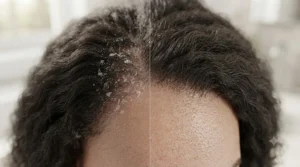
Flakes on a navy sweater have a way of showing up at the worst possible moment — a job interview, a first date, the exact second you lean in for a hug. If that sounds familiar, you’ve probably already tried a bottle or two of the usual suspects from the drugstore aisle, with mixed results and a bathroom shelf that’s starting to look like a chemistry set. A dandruff shampoo bar takes a different approach: a concentrated, low-waste solid cleanser built around scalp-friendly actives like zinc pyrithione, tea tree oil, or salicylic acid, formulated to calm flaking without the plastic bottle. In practice, that means less packaging in the landfill, a product that’s easier to pack for a weekend at the cottage, and — when the formula is right — noticeably calmer skin at the roots within a few weeks. This guide walks through seven real, purchasable bars available through amazon.ca, breaks down who each one actually suits, and digs into the science of what’s happening on your scalp so you’re not just guessing at the shelf. We’ll also cover shampoo bar for oily hair options, anti-flake hair treatment routines, and how scalp-clarifying bars fit into the picture, all through a Canadian lens — metric measurements, CSA-adjacent safety context, and pricing in Canadian dollars.

Quick Comparison Table
| Product | Best For | Key Active | Price Range (CAD) |
|---|---|---|---|
| DermaHarmony 2% Pyrithione Zinc Shampoo Bar | Medicated flake control on a budget | 2% Zinc Pyrithione | C$12–C$16 |
| HiBAR Maintain Shampoo Bar | Oily roots, dry ends | Honeyquat, Shea Butter | C$18–C$24 |
| Ethique Scalp Health Shampoo Bar | Itchy, sensitive, flaky scalps | Oatmeal, Kiwi Extract | C$16–C$20 |
| 111MedCo 2% Pyrithione Zinc Cleansing Bar | Whole-body dandruff and seborrheic patches | 2% Zinc Pyrithione | Under C$15 |
Looking at this table, the fastest route to symptom control is usually a medicated bar — DermaHarmony 2% Pyrithione Zinc Shampoo Bar or 111MedCo 2% Pyrithione Zinc Cleansing Bar — since both lean on a clinically studied active rather than essential oils alone. If your flaking is tangled up with genuinely oily roots, though, HiBAR Maintain Shampoo Bar earns its higher price by balancing sebum without over-drying the lengths, while Ethique Scalp Health Shampoo Bar is the gentler pick for scalps that are more irritated than oily.
💬 Just one click — help others make better buying decisions too!😊
Top 7 Dandruff Shampoo Bars: Expert Analysis
Coverage here spans budget medicated bars, mid-range clarifying formulas, and premium salon-style options, so there’s a realistic match whether your scalp problem is mostly flaking, mostly oil, or a mix of both.
1. DermaHarmony 2% Pyrithione Zinc Shampoo Bar — clinical-strength zinc pyrithione at a drugstore price
The standout here is straightforward: this is one of the few bar-format products carrying a full 2% zinc pyrithione concentration, matching the strength found in prescription-adjacent liquid shampoos rather than the trace amounts in “flake-fighting” natural bars. The formula skips sulfates, parabens, and synthetic fragrance, relying instead on sodium cocoyl isethionate as its primary surfactant, which is notably gentler on already-irritated skin than the SLS found in many mainstream anti-dandruff shampoos. Its pH sits around 5.1, close to the skin’s natural range, which matters in practice because a bar that’s too alkaline can strip the scalp barrier and trigger a rebound oil surge. Based on the spec comparison with other bars in this roundup, this is the closest thing here to an actual medicated treatment rather than a cosmetic cleanser — the right pick for anyone whose dandruff has already been diagnosed as seborrheic dermatitis rather than simple dryness. Reviewers consistently report visible flake reduction within two to three weeks of regular use, alongside praise for the mild peppermint scent; a recurring complaint is that the lather is thinner than a sulfate-based shampoo, which takes some adjustment for people used to foamy bottled products.
Pros:
- ✅ Full 2% zinc pyrithione, a clinically studied active
- ✅ Sulfate-free and gentle on already-irritated skin
- ✅ Small bar travels easily for weekend trips
Cons:
- ❌ Thinner lather than sulfate-based liquid shampoo
- ❌ Scent is polarizing for fragrance-sensitive users
At around C$12–C$16, this bar delivers genuine medicated value that’s hard to beat at this price point, especially for anyone managing a diagnosed flaking condition rather than occasional dryness.
2. J.R. Liggett’s Tea Tree Shampoo Bar — old-school cold-process bar with a cult following
What stands out about this one is its manufacturing method: a century-old cold-process soap recipe from New Hampshire, hand-cut rather than machine-extruded, which gives it a naturally higher pH (around 9–10) than the skin-matched bars in this list. That alkalinity is actually part of the appeal for some dandruff sufferers, since the Malassezia yeast implicated in flaking prefers a more acidic environment and struggles slightly in the higher pH range this bar creates. The tea tree and hemp seed oil blend adds a documented antifungal component on top of that pH effect, though the concentration here is closer to fragrance-level than the clinical strength found in dedicated medicated products. What most buyers overlook about cold-process bars like this one is that they typically require an acidic rinse afterward — diluted apple cider vinegar is the usual choice — to counteract the alkalinity and prevent tangling, particularly on longer or coloured hair. Aggregated review sentiment across retail platforms points to a loyal long-term user base, with several longtime buyers specifically crediting the switch from bottled dandruff shampoo to this bar with resolving years of flaking; a common complaint in user reviews is that the bar dissolves quickly if left sitting in standing water.
Pros:
- ✅ Naturally antifungal-friendly alkaline pH
- ✅ Long cult following among sensitive-scalp users
- ✅ No synthetic detergents or sulfates
Cons:
- ❌ Requires an ACV rinse to avoid tangles
- ❌ Dissolves fast without a draining soap dish
Priced under C$12, this is the most budget-friendly bar in the lineup and a smart low-risk starting point for anyone curious about switching away from bottled anti-dandruff shampoo.
3. Kitsch Tea Tree & Mint Clarifying Shampoo Bar — clinically tested scalp-microbiome support
The headline feature here is Dandrilys, a patented active blended into the tea tree and peppermint base and independently tested to reduce visible flaking after four uses in the brand’s clinical trial. That’s a meaningfully different claim than the vague “clarifying” language on most natural shampoo bars, since it points to actual before-and-after testing rather than ingredient folklore. Charcoal in the formula adds a mechanical pull on scalp buildup, while the peppermint and menthol combination creates a cooling sensation that’s genuinely useful feedback for users trying to gauge whether a formula is working on a given wash day. Here’s what to weigh: this bar is squarely aimed at people whose dandruff is tangled up with oil and product buildup rather than dry, flaky skin, so anyone with a genuinely dry or eczema-prone scalp may find the tea tree oil concentration a bit much. Reviewers consistently report a noticeably fresher scalp feel immediately after rinsing and describe it as effective at cutting through product residue that daily washing alone doesn’t touch; several also mention the mint scent lingers pleasantly without becoming overpowering.
Pros:
- ✅ Clinically tested active ingredient (Dandrilys)
- ✅ Charcoal helps lift scalp buildup mechanically
- ✅ Cooling peppermint sensation confirms it’s working
Cons:
- ❌ Tea tree concentration may irritate dry, eczema-prone scalps
- ❌ Best suited to oily-leaning dandruff, not dry flaking
In the C$16–C$20 range, this bar justifies its mid-tier price with genuine clinical backing rather than marketing language alone.
4. HiBAR Maintain Shampoo Bar — salon-style balance for oily roots and dry ends
This bar’s standout feature is its dual-zone approach: Honeyquat (a humectant derived from honey) and shea butter work to nourish the lengths and ends, while the surfactant base is engineered specifically to regulate oil production at the root without over-stripping. That distinction matters in practice for anyone dealing with the classic combination scalp — greasy roots paired with dry, brittle ends — a pattern that a purely clarifying bar tends to make worse by treating the whole head identically. On paper this means better results for people with fine or fragile hair prone to breakage, since the moisture is targeted where it’s needed rather than washed uniformly across the strand. Based on the spec comparison, this formula is not marketed as a medicated dandruff treatment, so it works best as a maintenance step layered alongside a medicated bar rather than as a standalone flake solution for moderate-to-severe cases. Independent reviewer sentiment is mixed but leans positive: many describe cleaner-feeling hair that lasts longer between washes, while a recurring theme in aggregated feedback is that first-time bar users need two to three washes to learn proper technique before results feel consistent.
Pros:
- ✅ Balances oily roots without drying out ends
- ✅ Leaping Bunny certified and color-safe
- ✅ Concentrated bar lasts roughly two bottles of liquid shampoo
Cons:
- ❌ Not formulated as a medicated dandruff treatment
- ❌ Learning curve for first-time bar shampoo users
At C$18–C$24, this sits at the premium end of the lineup, reflecting its salon-oriented formulation rather than a purely functional dandruff-fighting bar.
5. Ethique Clarifying Shampoo Bar (Castor Oil) — zero-waste champion for oil-prone hair
The defining feature of this bar is its castor oil-forward clarifying base, engineered specifically to cut through excess sebum and daily buildup without resorting to harsh sulfates. Castor oil might sound like an odd choice for oily hair, but its role here is emulsifying rather than moisturizing — helping lift trapped oil off the scalp surface so it rinses cleanly rather than redepositing on the lengths. What most buyers overlook about this brand is its packaging math: each solid bar is engineered to replace roughly two to three standard bottles of liquid shampoo, which matters both for cost-per-use and for anyone trying to cut down on bathroom plastic. Reviewers consistently note that hair feels noticeably lighter and less weighed down after switching from a liquid clarifying shampoo, particularly among people who wash daily and struggle with the “second-day greasy roots” pattern common to fine, straight hair. A recurring theme in aggregated feedback is a genuine reduction in overall wash frequency once the scalp adjusts, though a common complaint is that the bar can feel drying on the mid-lengths if used more than three times a week without a conditioner bar in rotation.
Pros:
- ✅ Specifically engineered for oily, buildup-prone hair
- ✅ One bar replaces roughly two to three shampoo bottles
- ✅ Vegan, cruelty-free, fully plastic-free packaging
Cons:
- ❌ Can dry out mid-lengths with frequent use
- ❌ Not a medicated formula for diagnosed dandruff
Sitting in the C$16–C$20 range, this bar delivers strong long-term value once the reduced bottle count is factored into cost-per-wash.
6. Ethique Scalp Health Shampoo Bar (Oatmeal) — oat-powered calm for itchy, flaky scalps
This bar’s standout is colloidal oatmeal, an ingredient with a long dermatological track record for calming irritated, itchy skin rather than aggressively clarifying it. That positions it as the gentlest option in this roundup, aimed squarely at flaking that’s driven more by a compromised, inflamed scalp barrier than by excess oil or fungal overgrowth. In practice, this means it’s a strong pairing for anyone whose dandruff shampoo history includes reactions or increased sensitivity to stronger medicated or tea-tree-forward formulas — the oat base is soothing rather than stimulating. What the spec sheet won’t tell you, but reviewers note, is that this bar produces a noticeably lower lather than the clarifying options on this list, which can initially feel like it’s under-cleansing even though the gentler surfactant blend is working as designed. Aggregated customer sentiment describes real relief from itching and redness within roughly two weeks of nightly-adjacent use, with several reviewers specifically mentioning it as the first product that didn’t sting on a raw or over-treated scalp; a common critique is that heavier product-users (styling gels, dry shampoo) may need a separate clarifying wash occasionally to prevent buildup, since this formula isn’t designed to strip.
Pros:
- ✅ Colloidal oatmeal calms itching and redness
- ✅ Gentle enough for reactive, over-treated scalps
- ✅ Plastic-free packaging with a small footprint
Cons:
- ❌ Lower lather can feel like under-cleansing
- ❌ Heavy product users may need an occasional clarifying wash
Priced C$16–C$20, this bar earns its spot for scalp comfort rather than raw cleansing power, making it a smart secondary bar for flare-ups.
7. 111MedCo 2% Pyrithione Zinc Medicated Cleansing Bar — full-body medicated bar for stubborn flaking
The standout advantage here is versatility: this bar is formulated at 2% zinc pyrithione for use on the scalp, face, and body, which matters because seborrheic dermatitis frequently shows up beyond the hairline — eyebrows, hairline creases, and the chest are common secondary sites that a hair-only shampoo bar doesn’t address. Functionally, it behaves like a medicated bar soap rather than a sudsy shampoo, which means the lather is minimal and the application technique differs from the other products here: it needs direct contact time on the scalp, roughly 30 seconds to a minute, rather than a quick lather-and-rinse. Based on the spec comparison with the DermaHarmony bar earlier in this list, the two share an identical active concentration, so the deciding factor between them typically comes down to scent preference and whether body-wide coverage is a priority. If you cannot verify individual review counts for a smaller medicated brand like this one, it’s worth noting that aggregated buyer sentiment across retail listings skews positive specifically for combined scalp-and-body seborrheic dermatitis cases, a use case the more cosmetic bars in this list simply aren’t built for. A recurring theme in feedback is appreciation for the unscented or lightly medicinal smell, which several reviewers preferred over heavily perfumed dandruff products that had previously irritated sensitive skin.
Pros:
- ✅ Full 2% zinc pyrithione for scalp, face, and body
- ✅ Addresses seborrheic dermatitis beyond just the hairline
- ✅ Minimal, low-irritant ingredient list
Cons:
- ❌ Requires longer contact time than a standard shampoo bar
- ❌ Minimal lather feels unfamiliar to bottle-shampoo users
At under C$15, this is one of the most cost-effective medicated options here, particularly valuable for anyone managing flaking that extends past the scalp.
Practical Usage Guide: Your First 30 Days with a Dandruff Shampoo Bar
Switching from bottled shampoo to a bar is less about the product itself and more about technique, and getting it wrong in week one is the single biggest reason people give up early. Start by rubbing the bar directly between wet palms or across wet hair for eight to ten strokes before working the resulting lather into the scalp with fingertips, not nails — nails can create micro-abrasions that worsen flaking rather than easing it. For medicated bars like the DermaHarmony 2% Pyrithione Zinc Shampoo Bar or 111MedCo 2% Pyrithione Zinc Medicated Cleansing Bar, leave the lather in contact with the scalp for a full thirty to sixty seconds before rinsing; rinsing too quickly is the most common mistake and drastically undercuts the active ingredient’s effectiveness. Store the bar on a well-draining dish between uses — a bar left sitting in a puddle of water can lose noticeable life within a few weeks, especially cold-process bars like J.R. Liggett’s Tea Tree Shampoo Bar. Expect an adjustment window of roughly two to four weeks as your scalp recalibrates its oil production away from what sulfates previously trained it to do; this is sometimes mistaken for the product “not working,” when it’s actually a normal transition phase. If hair feels waxy or coated during week one or two, a diluted apple cider vinegar rinse (about one tablespoon per 500 mL of cool water) typically resolves it by rebalancing pH after an alkaline bar. Finally, resist the urge to switch bars every few days while troubleshooting — give any single formula a full three to four week trial before judging results, since scalp conditions respond on a biological timeline, not an overnight one.
Real-World Scenarios: Who Should Buy What
The office commuter with visible flaking on dark clothing: Someone washing their hair every one to two days who needs fast, reliable flake control without a big lifestyle overhaul is the clearest candidate for a medicated bar like the DermaHarmony 2% Pyrithione Zinc Shampoo Bar. The clinically dosed active gets to work quickly, and the compact bar size makes it easy to keep a backup in a desk drawer for post-gym touch-ups.
The eco-conscious frequent washer with genuinely oily roots: For someone who washes daily, sweats through workouts, or lives somewhere humid and struggles with grease by midday, HiBAR Maintain Shampoo Bar or Ethique Clarifying Shampoo Bar (Castor Oil) solves the root problem rather than masking it — both are built to regulate sebum specifically, which a purely medicated bar doesn’t prioritize.
The sensitive-scalp sufferer who’s tried everything: If your scalp has become raw or reactive from cycling through strong medicated shampoos, Ethique Scalp Health Shampoo Bar with its oatmeal base offers a lower-irritation reset, ideally used for two to three weeks before reintroducing a stronger active like zinc pyrithione a few times weekly.
What Is a Dandruff Shampoo Bar?
A dandruff shampoo bar is a solid, concentrated cleansing bar formulated with scalp-targeting actives — most commonly zinc pyrithione, tea tree oil, or salicylic acid — designed to reduce flaking, itching, and buildup caused by dryness, excess oil, or Malassezia yeast overgrowth. Unlike liquid dandruff shampoo, it uses little to no water in its formulation, arrives without a plastic bottle, and typically lasts two to three times longer per gram, according to the Canadian Dermatology Association, an estimated 50 per cent of North Americans experience dandruff at some point.
How to Choose a Dandruff Shampoo Bar
- Identify your primary trigger. Dry, flaky scalp responds better to gentle, oat-based bars, while oily, buildup-heavy scalp needs a clarifying formula with charcoal or castor oil.
- Check the active ingredient concentration. A bar listing “zinc pyrithione” without a percentage may be using it as a fragrance-adjacent trace ingredient rather than a therapeutic dose — 1–2% is the clinically relevant range.
- Match the pH to your goal. Higher-pH cold-process bars can discourage yeast growth but may need an acidic rinse; skin-matched pH bars (around 5) are gentler for daily use.
- Consider hair length and texture. Longer or coloured hair often needs a moisturizing bar in rotation with a clarifying one to avoid over-drying the ends.
- Look for real, cited testing. Bars with a documented clinical trial, like Kitsch’s Dandrilys data, offer more certainty than marketing copy alone.
- Factor in application technique. Medicated bars generally need direct scalp contact time, unlike a quick lather-and-rinse cosmetic bar.
- Budget for the adjustment period. Expect two to four weeks before judging effectiveness, and choose an affordable option first if you’re unsure a bar format suits your routine.
Dandruff Shampoo Bar vs Traditional Liquid Anti-Dandruff Shampoo
The core difference isn’t really the active ingredient — many bars and bottles both use zinc pyrithione or salicylic acid — it’s the surfactant system and the water content. Liquid anti-dandruff shampoos are typically 70–80% water, bulked out with sulfates for a big, familiar lather; bars concentrate the actual cleansing agents, so a small bar can outlast a large bottle. On the other hand, liquid formulas distribute more evenly across long or thick hair without the “drag” some first-time bar users report, and they’re often easier to layer with a leave-in conditioner immediately after rinsing.
| Factor | Shampoo Bar | Liquid Shampoo |
|---|---|---|
| Packaging waste | Minimal to none | Plastic bottle each use |
| Cost per wash | Generally lower long-term | Higher, refill-dependent |
| Lather | Lower, more concentrated | Higher, water-diluted |
| Best For | Travel, eco-conscious buyers, longer product life | Long/thick hair, fast even coverage |
This comparison shows that the “better” format genuinely depends on hair length and priorities rather than one option being objectively superior. Someone with waist-length hair juggling detangling and colour treatment may still find a liquid formula, like those referencing seborrheic dermatitis treatment guidance from the Eczema Society of Canada, easier to manage day to day, while a bar wins decisively on cost-per-use and environmental footprint for shorter or lower-maintenance hair.
Shampoo Bar for Oily Hair: What Actually Works
Oily hair paired with dandruff creates a specific challenge: the scalp is producing excess sebum, which feeds the Malassezia yeast implicated in flaking, but stripping that oil too aggressively triggers a rebound effect where the scalp overproduces even more oil to compensate. The right shampoo bar for oily hair threads this needle by clarifying without fully stripping — look for ingredients like activated charcoal, kaolin or bentonite clay, or castor oil rather than heavy butters and oils that can weigh hair down further. Ethique Clarifying Shampoo Bar (Castor Oil) and HiBAR Maintain Shampoo Bar both fit this brief, though they take slightly different approaches: the former leans harder into pure clarification, while the latter balances oil control at the root with conditioning at the ends. Reviewers consistently note that washing every two to three days, rather than daily, actually improves outcomes with these bars, since giving the sebum-regulating ingredients time to work between washes helps recalibrate oil production rather than just removing it temporarily.
Zinc Pyrithione Shampoo Bar: How the Active Ingredient Works
Zinc pyrithione, the active behind three of the products in this guide, doesn’t work the way most people assume. According to Wikipedia’s summary of zinc pyrithione research, its antifungal effect comes from disrupting membrane transport in the Malassezia yeast, essentially blocking the proton pump the fungus needs to move nutrients across its cell membrane — more recent research points to a copper-toxicity mechanism that damages essential fungal proteins. In practice, that means it needs actual contact time with the scalp to work, which is why the 111MedCo and DermaHarmony bars in this guide both recommend leaving the lather in place for thirty-plus seconds rather than a quick rinse. A 2% concentration is generally considered the clinically effective threshold based on published dermatology literature, which is why checking for that number on the label — rather than assuming any “anti-dandruff” bar contains a therapeutic dose — genuinely changes outcomes. What most buyers overlook is that zinc pyrithione bars can take several weeks of consistent use to show results, since they’re managing an ongoing fungal population rather than delivering an instant fix.
Scalp-Clarifying Bars: Removing Buildup Without Stripping
Scalp-clarifying bars occupy a specific niche distinct from purely medicated dandruff bars: their job is mechanical and chemical buildup removal — product residue, hard water minerals, excess sebum — rather than direct antifungal action, though the two overlap heavily in practice since buildup itself can worsen flaking by trapping yeast and dead skin against the scalp. Kitsch Tea Tree & Mint Clarifying Shampoo Bar is the clearest example in this roundup, combining charcoal’s absorptive pull with tea tree’s mild antifungal properties for a dual-action clean. The honest analytical take here is that clarifying bars generally shouldn’t be a daily-use product for most hair types; using one two to three times weekly, with a gentler bar or conditioner-forward routine on off days, tends to produce better long-term results than clarifying at every wash, which can leave hair feeling stripped and encourage the scalp to overcompensate with more oil.
Anti-Flake Hair Treatment: Beyond the Shampoo Bar
A shampoo bar alone rarely solves persistent flaking on its own — the most effective anti-flake hair treatment routines layer a few complementary steps around it. A weekly scalp exfoliation, using a soft silicone brush during shampooing, helps mechanically lift dead skin cells that a bar’s lather alone won’t dislodge. For anyone using a medicated bar like the DermaHarmony 2% Pyrithione Zinc Shampoo Bar, alternating it with a gentler bar such as Ethique Scalp Health Shampoo Bar two or three times a week prevents the scalp from becoming overly dependent on, or irritated by, constant medicated exposure. Diet also plays a documented supporting role: adequate zinc, B vitamins, and omega-3 intake is associated with healthier scalp barrier function, though it’s a complement to topical treatment rather than a replacement for it. If flaking persists past six weeks of consistent bar use with no improvement, or if you notice redness, swelling, or pain rather than just flaking, that’s the signal to move from a shampoo bar to a healthcare provider consultation rather than trying yet another product.

Common Mistakes When Buying a Dandruff Shampoo Bar
The most frequent misstep is buying based on the word “dandruff” appearing anywhere in the product title without checking for an actual active ingredient concentration — plenty of bars use the term loosely to describe a generically clarifying formula with no measurable antifungal action. A second common error is choosing a bar based purely on scent appeal rather than matching it to whether the underlying issue is oil, dryness, or a fungal component; a beautifully scented but purely moisturizing bar won’t touch a Malassezia-driven flaking problem. Buyers also frequently underestimate the adjustment period, abandoning a genuinely effective bar after just one or two washes because it doesn’t lather like their old bottled shampoo. Finally, many people skip storage entirely, letting the bar sit in standing water in the shower, which shortens its lifespan dramatically and undercuts the cost savings that make bars appealing in the first place.
Long-Term Cost & Maintenance: Price Range & Value Analysis
| Product | Price Range (CAD) | Approx. Bottle Equivalent | Value Verdict |
|---|---|---|---|
| 111MedCo 2% Pyrithione Zinc Cleansing Bar | Under C$15 | 1–2 bottles | Best budget medicated value |
| J.R. Liggett’s Tea Tree Shampoo Bar | Under C$12 | 1–2 bottles | Lowest entry cost |
| Ethique Clarifying Shampoo Bar | C$16–C$20 | 2–3 bottles | Strong long-term ROI |
| HiBAR Maintain Shampoo Bar | C$18–C$24 | 2 bottles | Premium, salon-style balance |
Looking at cost-per-wash rather than sticker price flips the value picture considerably: the Ethique Clarifying Shampoo Bar, despite a mid-range upfront cost, works out cheaper over three to six months than most bottled clarifying shampoos once the two-to-three-bottle equivalency is factored in. Medicated bars like 111MedCo and DermaHarmony 2% Pyrithione Zinc Shampoo Bar deliver outsized value for anyone with a diagnosed condition, since a single under-C$15 bar can replace months of prescription-adjacent liquid treatment. The main maintenance cost to budget for beyond the bar itself is a draining soap dish, which meaningfully extends bar life and is a one-time purchase rather than a recurring expense.
Safety, Regulations & Canadian Health Guidance
Persistent dandruff that doesn’t respond to six weeks of consistent over-the-counter treatment, or that comes with redness, swelling, or pain, warrants a conversation with a healthcare provider or dermatologist rather than continued product-hopping, since it may indicate seborrheic dermatitis, psoriasis, or scalp eczema requiring a different treatment approach, according to HealthLink BC’s guidance on seborrheic dermatitis. Health Canada regulates cosmetic ingredients including zinc pyrithione under the Cosmetic Ingredient Hotlist, and products sold legally in Canada must comply with labelling and concentration standards for over-the-counter active ingredients. If you have known sensitivities to tea tree oil, salicylic acid, or fragrance components, patch-test any new bar on a small area of skin — such as the inner wrist — for twenty-four hours before applying it to the full scalp, particularly for the more essential-oil-forward bars in this guide.
Frequently Asked Questions
❓ How long does it take for a dandruff shampoo bar to work?
❓ Can a shampoo bar for oily hair make dandruff worse?
❓ Is a zinc pyrithione shampoo bar safe for colour-treated hair?
❓ Do scalp-clarifying bars replace the need for a separate anti-flake hair treatment?
❓ How often should I use a dandruff shampoo bar?
Conclusion
Choosing the right dandruff shampoo bar really comes down to identifying what’s actually driving your flaking — dryness, excess oil, buildup, or an underlying fungal component — rather than grabbing whichever bar has the most flattering packaging. For diagnosed or stubborn dandruff, a clinically dosed option like the DermaHarmony 2% Pyrithione Zinc Shampoo Bar or 111MedCo 2% Pyrithione Zinc Medicated Cleansing Bar offers the most reliable results, backed by decades of research into how zinc pyrithione disrupts the yeast responsible for flaking. If oil is the bigger culprit, HiBAR Maintain Shampoo Bar and Ethique Clarifying Shampoo Bar both target sebum without the harsh trade-offs of sulfate-heavy liquid shampoos, while Ethique Scalp Health Shampoo Bar offers a gentler reset for scalps that have become reactive from over-treatment. Whichever bar you choose, give it a genuine three-to-four-week trial, pair it with proper storage and technique, and don’t hesitate to loop in a healthcare provider if flaking persists despite consistent use — most dandruff is highly manageable once matched with the right formula.
✨ Don’t Miss These Exclusive Deals!
🔍 Take your scalp care routine to the next level with these carefully selected shampoo bars. Click on any highlighted item to check current pricing and availability. These picks can help you build a flake-free, plastic-free hair routine you’ll actually stick with!
Recommended for You
- Shampoo Bar for Curly Hair: 7 Bars That Actually Work (2026)
- Best Shampoo Bar 2026: 7 Top Picks for Plastic-Free Hair
- Travel Soap on a Rope: 7 Genius Picks for 2026 (No More Mush)
Disclaimer: This article contains affiliate links. As an Amazon Associate, I earn from qualifying purchases. If you purchase products through these links, we may earn a small commission at no additional cost to you.
✨ Found this helpful? Share it with your friends! 💬🤗
